
by ANNA HOLTON-DEAN | Photos courtesy of TCC
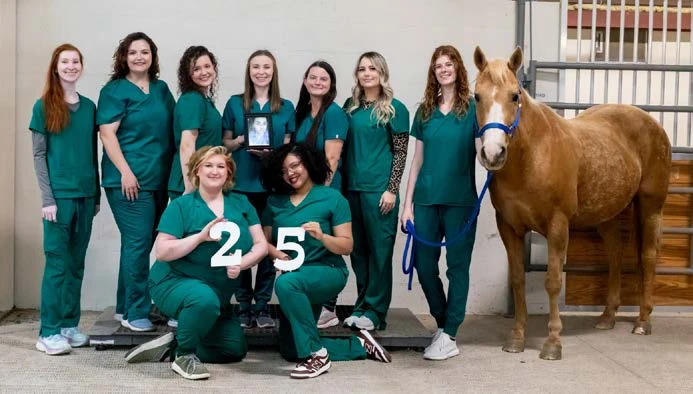
Tucked unassumingly in the back of Tulsa Community College’s West Campus is a 20,000-square-foot hub of animal care, hands-on learning and compassionate training. The facility is home to TCC’s Registered Veterinary Technology program, a vital stepping stone for those dreaming of a career caring for animals.
Launched in 1999, the RVT program began in a rented space in West Tulsa and, thanks to bond funding, moved to its current space in 2001. Since then, the program has become one of only three in Oklahoma to offer a registered veterinary technology program, alongside OSU-OKC and Murray State College in Tishomingo.
The program is led by three full-time faculty who blend high academic standards with real-world experience. Program Director Jan Barnett, DVM, who has led the program since its inception, explains how she found her calling.
“I’m an OSU graduate (1983),” she says. “I was in private practice and in the pet food industry for a while. I came back into emergency medicine and was looking for another challenge; at the same time, TCC was looking to open this program.
“I am in love with veterinary medicine and the fact that I can help clients help our patients, and we can instill that in our students to go forward and improve the lives of our clients and patients. I see it as a pay-it-forward opportunity.”
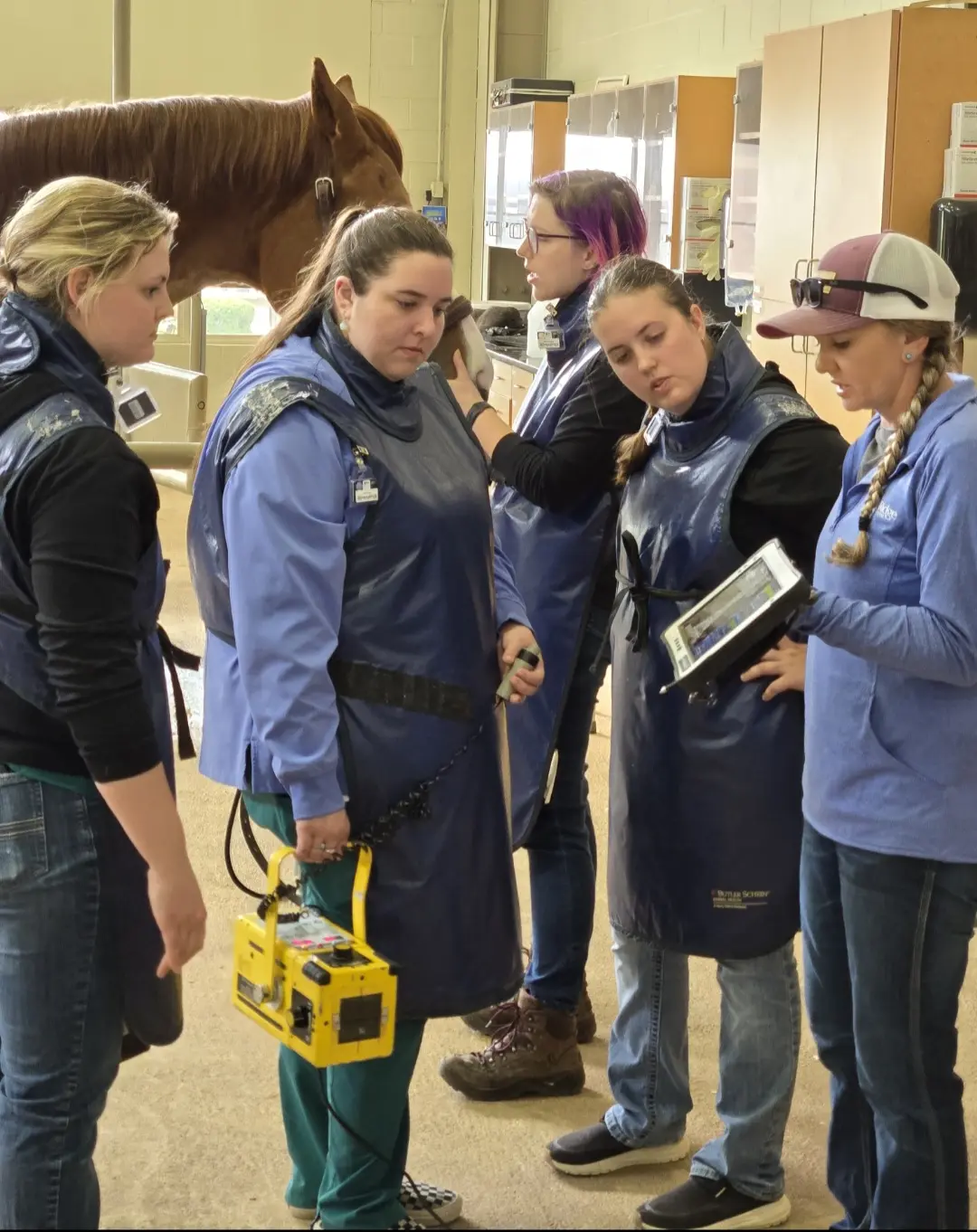
Whether working with cats and dogs, horses and cattle, or guinea pigs and turtles, students engage with eight major species throughout their training, which prepares them for any specialty of veterinary care they choose to pursue.
Becoming a Registered Vet Tech in Oklahoma
Prospective students begin by applying to TCC, followed by applying separately to the School of Health Sciences. Students also need to complete prerequisites of biology and English, shadow a veterinarian and have an understanding of all the job entails.
Upon graduation, students earn an associate degree in applied science. This can be obtained in two years (full time) or three years (part time). Students then sit for the National Veterinary Technician Exam (NVTE) and Oklahoma’s state licensing exam. After passing both the national and state exams, they earn the title of Registered Veterinary Technician.
The field of vet technology offers more than simply a job; RVTs are an integral part of every veterinary team.
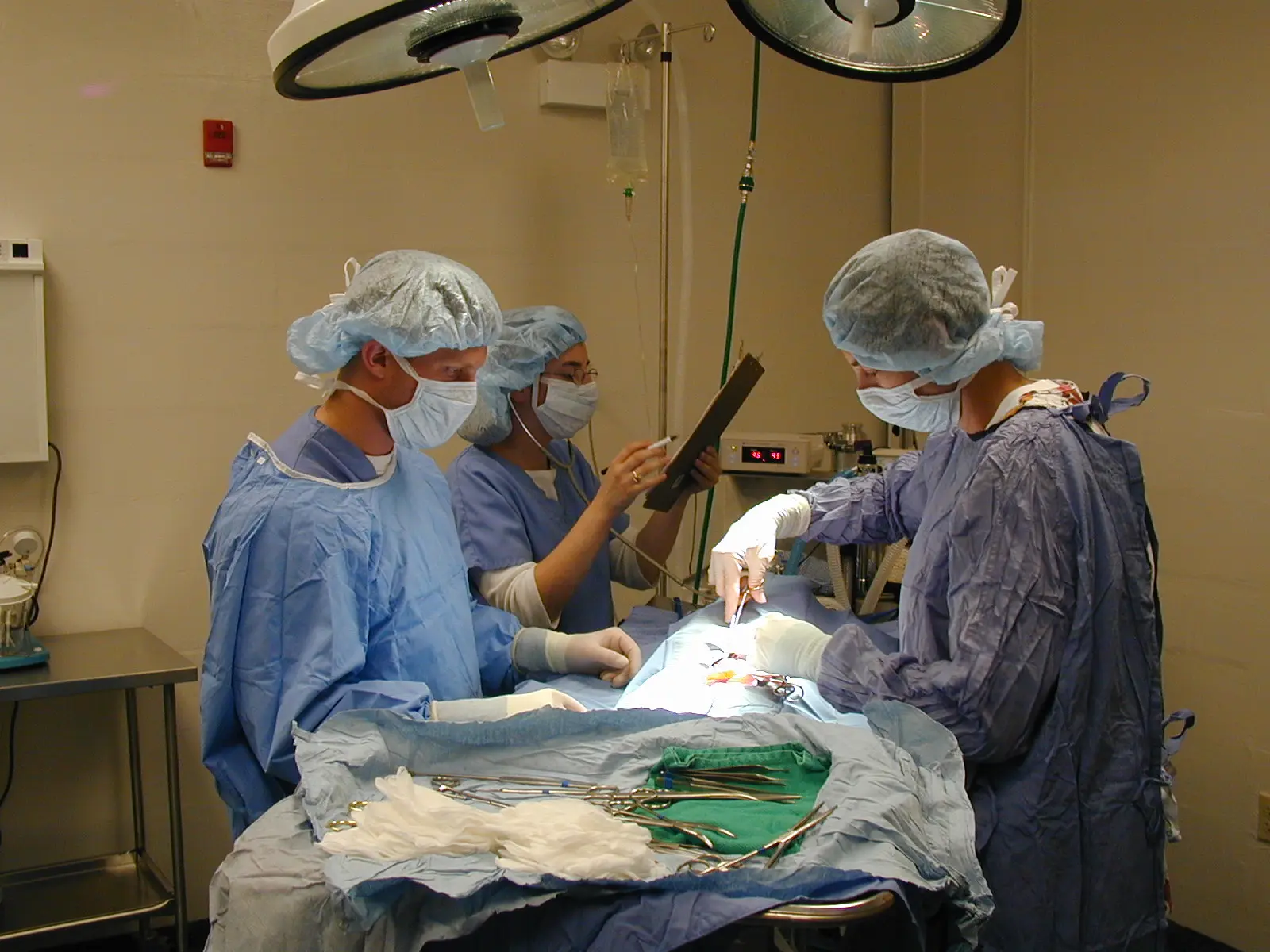
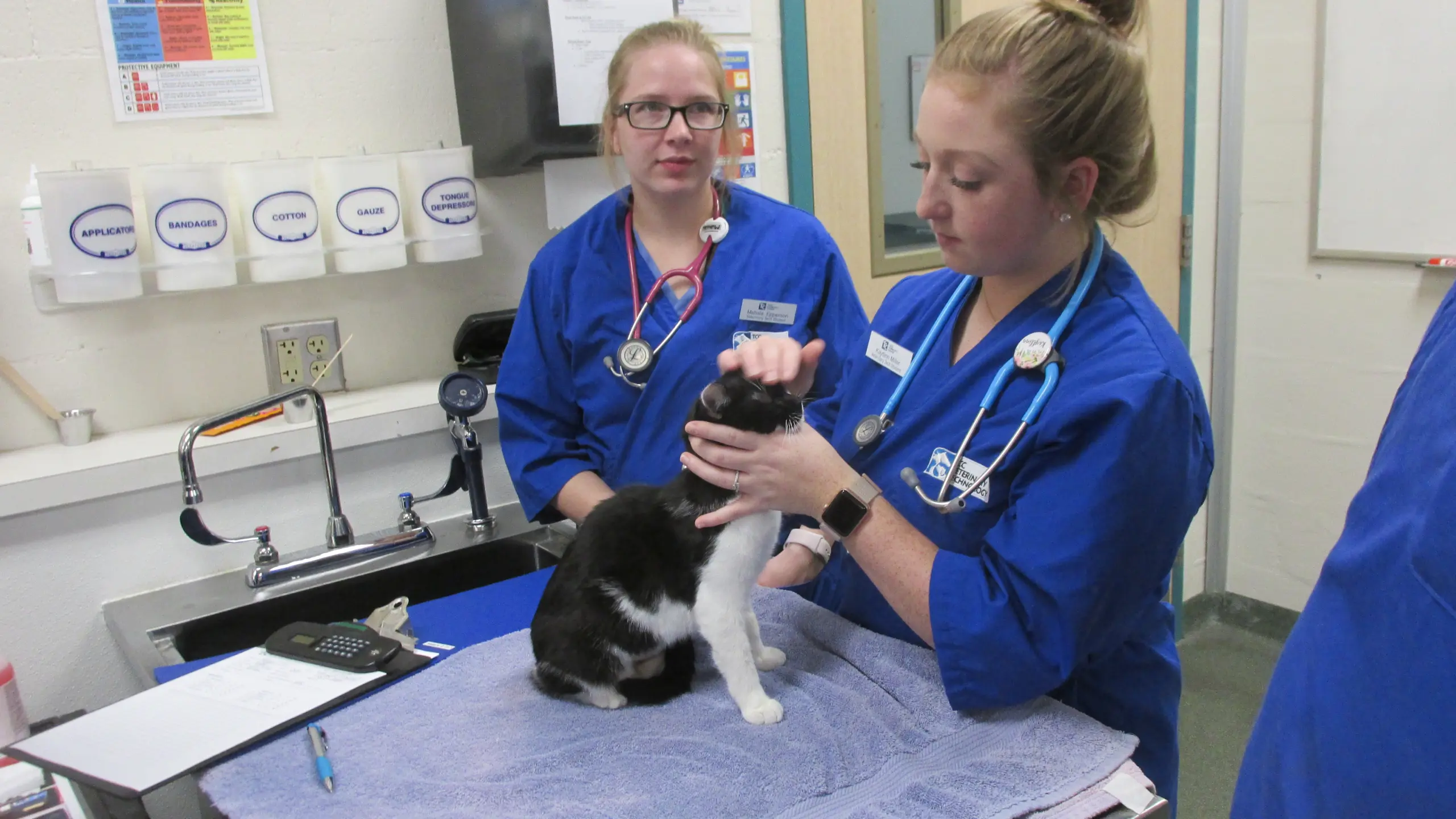
Day-to-day duties can vary greatly depending on an RVT’s chosen specialty. In small animal practice, they perform physical exams, take medical histories, draw blood, assist with anesthesia and surgeries, and function as a liaison for pet owners regarding treatment and home care. In large animal and farm settings, they may work in herd management, regulatory disease testing and even USDA documentation. As such, they often play a key role in recognizing diseases, such as West Nile or Avian influenza, before they reach the public.
Registered veterinary technicians play a crucial role in animal care, but as Barnett points out, delivering quality treatment requires a cooperative effort from the entire veterinary team.
“I want to emphasize vet medicine is a team effort,” Barnett says, “starting with our receptionists and office staff, RVTs, assistants and veterinarians — we all work together to provide excellent service to our clients and animals.”
Boundless Opportunities
RVTs can go on to have careers in private or corporate practice, pharmaceutical companies, animal food research, USDA inspection or academic research laboratories. Some may choose to pursue one of 16 advanced certifications, including anesthesia, dental hygiene, internal medicine, emergency care or behavior, through the National Association of Veterinary Technicians in America (NAVTA).
While Oklahoma only requires an associate degree, there are over 200 accredited veterinary technology programs in the U.S., with a growing number offering bachelor’s degrees. Two U.S. programs even train mid-level veterinary practitioners, similar to nurse practitioners in human healthcare.
Paying It Forward
TCC’s vet tech program maintains a community-oriented mission. Every year, students support the Animal Birthing Center at the Tulsa State Fair, providing care and husbandry services for newborn animals — and earning extra credit along the way. Students also work with the Sand Springs animal shelter every spring, helping in a community vaccination clinic.
“Students love it,” Barnett says. “We can see a change in students before and after; they are more outgoing, and it’s a wonderful experience for them.”
A graduate of 2022, Elizabeth Norris, RVT, who works at Banfield Pet Hospital in Owasso, echoes that sentiment. “I highly recommend the TCC RVT program!” she says. “TCC’s vet tech program is an amazing program, and I would not be the technician I am today without that program.”
To learn more about TCC’s Veterinary Technology program, visit tcc.edu or email [email protected].
Sidebar
National Veterinary Technician Week
Celebrating RVTs since 1993
In 1961, State University of New York-Delhi (SUNY Delhi) was the first college in the United States to develop a veterinary technology program to train professional veterinary technicians, according to the AVMA. Before that, the field of veterinary medicine did not include trained technicians, and veterinarians would often practice alone with the help of a layman receptionist who would also perform housekeeping and basic nursing duties. Initially called Animal Health Technology, Delhi’s program produced its first eight graduates two years later. SUNY Delhi was soon recognized as a national trendsetter.
As of January 2025, there are 218 veterinary technology programs accredited by the AVMA Committee on Veterinary Technician Education and Activities in the United States.
While registered veterinary technicians are valued every day of the year, National Veterinary Technician Week brings awareness to their importance. The holiday of appreciation was established in June 1993 when a resolution was passed by the National Association of Veterinary Technicians, declaring every third week in October as National Vet Tech Week.