
by Lauren Cavagnolo | Photos courtesy of Riverfield Country Day School
The dog days of summer are long gone, and it’s back to school … for the class pets. At Riverfield Country Day School, pets are common in classrooms across campus in addition to the school barnyard and free-roaming peacocks. And just like your pets at home, classroom pets can provide a whole host of benefits and learning opportunities!
Lower School Counselor and School Psychologist Kim Harper says class pets and animals on campus provide social-emotional benefits, hands-on development of life skills and ample educational opportunities.
“For many students, a classroom pet helps the classroom feel more home-like and welcoming and often becomes a source of comfort and confidence,” Harper said. “Students will frequently share feelings, concerns, fears and other needs with a pet that they may not feel comfortable sharing with a peer or an adult.”
Classroom pets help develop a sense of empathy for other living beings, Harper continued.
“Children who have the opportunity to care for a pet learn to be mindful of the needs of others. They develop a stronger sense of care and patience,” she said.
Erica Beuchat, a fourth/fifth-grade teacher at Riverfield, has had a bunny, guinea pig or chinchilla in her classroom for the last 15 years of her 20-year teaching career, witnessing firsthand the positive impacts of a pet in the classroom.
“Students use petting and holding Walter as a calming way to read, work through difficult emotions or as a support for hard tasks — just like a pet at home,” Beuchat shared.
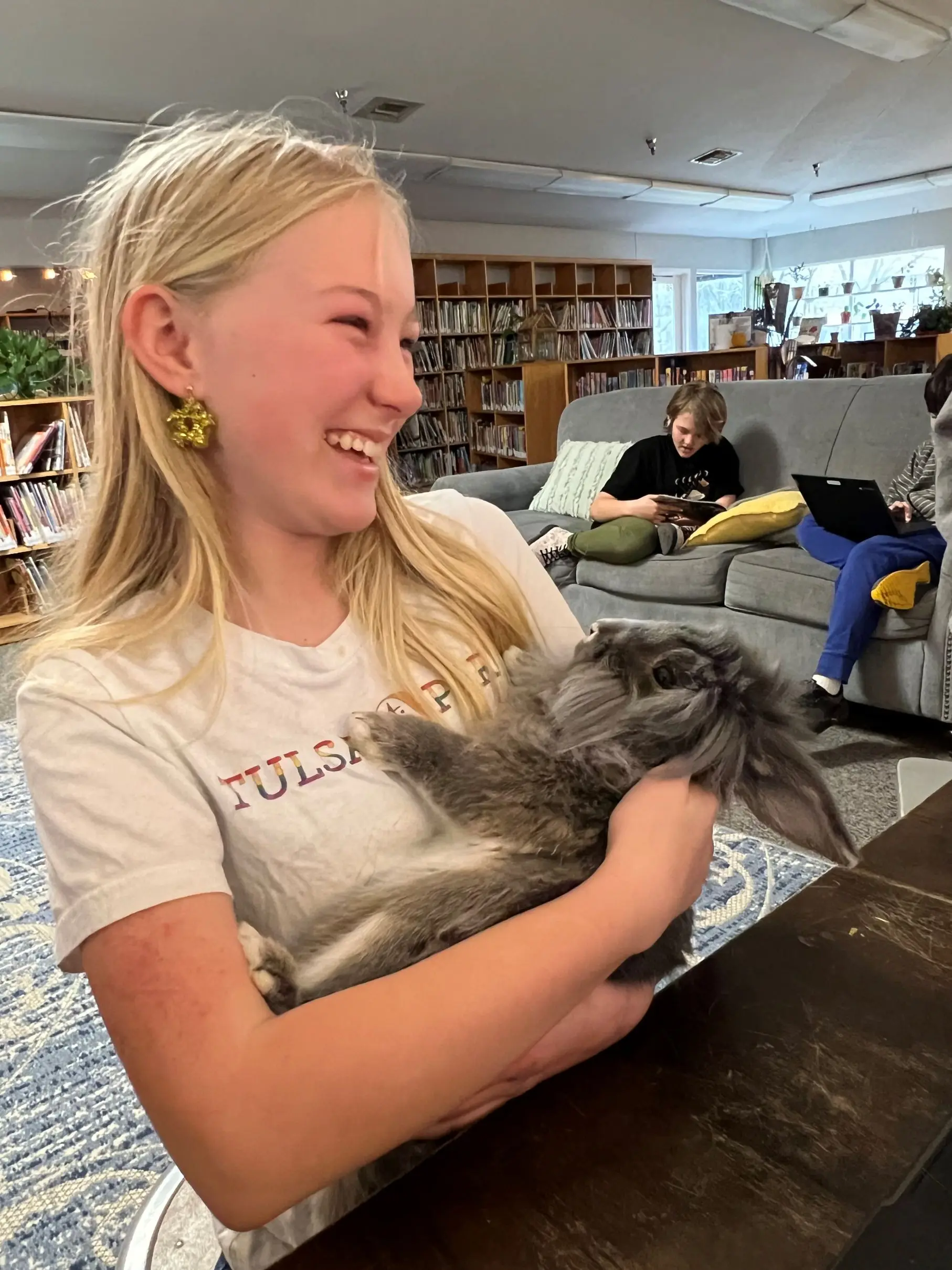
Having a classroom pet can help students develop a sense of responsibility in addition to other life skills. School Librarian Dakota Nelson says the sign-up sheet to clean the bunny cage in the library fills up quickly each month.
“Students will wait on pins and needles for the newest sheet to come out so they can sign up to care and spend time with him,” Nelson explained. “They have learned accountability by committing to his cage cleaning and taking care of his needs. The children feel a sense of ownership when they have a class pet, and there is so much joy in having him be able to bounce around and join us daily during class time.”
Andrea Sawyers, a kindergarten/first grade teacher, says the students in her classroom also enjoy caring for their class gecko, making sure her water is full each day. When it is time to clean the tank, students take turns gently holding her.
“The students take pride in taking care of her and sharing all of her unique qualities with visitors to the classroom,” Sawyers said. “She also provides an opportunity to learn about the needs and habits of reptiles, such as how she sheds (and eats) her skin about once a month, which is an exciting thing to see!”
The opportunities for educational integration of classroom pets are endless: from the science and research of animals and their care, the math of measurements and weight of an animal, to the creative inspiration they provide for a variety of art such as creative writing, drawing, clay creations, plays, podcasts and more.
In one second/third-grade classroom, the class saltwater tank is part of an ongoing class project focused on biomimicry. The students focused on 3D-printing coral out of calcium carbonate to be used in residential and commercial saltwater tanks.
“The tank is an exciting part of our day as we are always taking a glance to see what they are all up to,” said Lori Lorns, second/third-grade teacher. “It makes the children happy!”
Sidebars
Meet (some of) the Pets of Riverfield
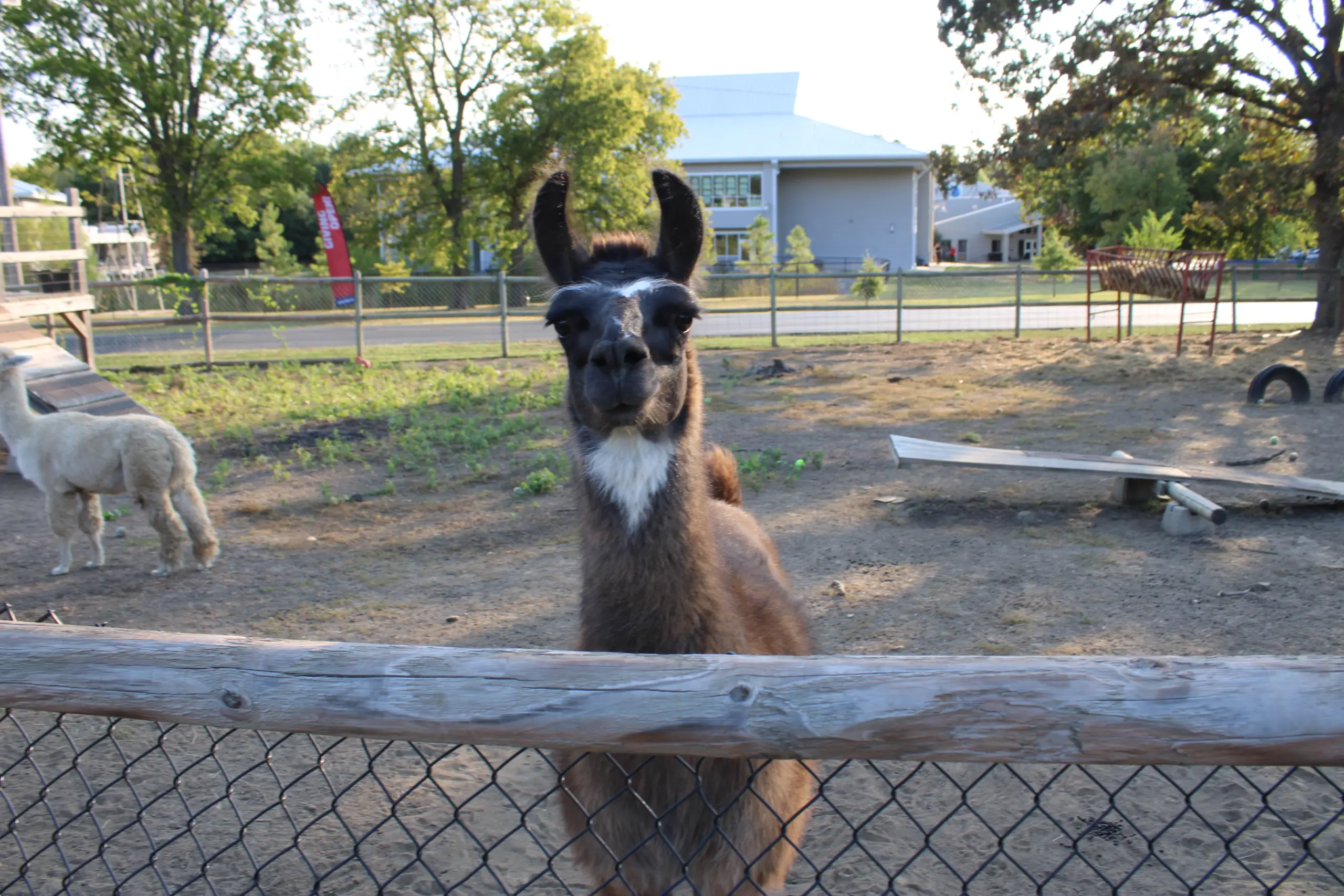
Clark
Classroom: The Barnyard
Species: Llama
Age: 6 years old
Likes: Playing king of the hill in the barnyard and snacking on carrots and apples.
Fun Fact: The annual school music festival is called Llamapalooza!
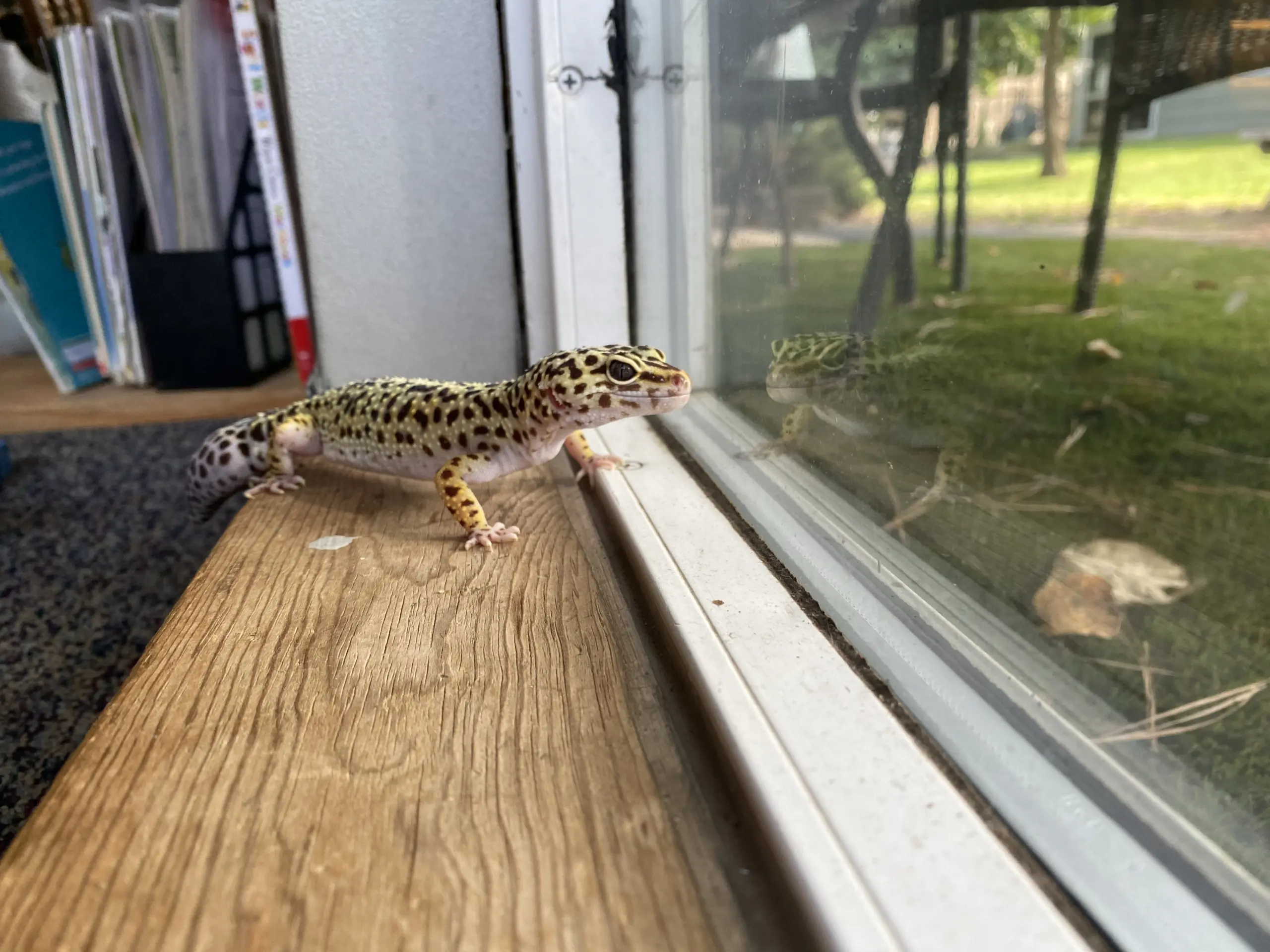
Gidgit
Classroom: K/1st grade
Species: Leopard Gecko
Age: About 8 years old
Likes: Her diet consists of mostly mealworms and crickets, but she LOVES when she’s given wax worms as a special treat.
Character Traits: She is friendly and enjoys being handled gently.
Fun Fact: She is a nocturnal species, so she is not very active during the school day. However, it creates great excitement when students see her slowly move about her cage to eat or drink.
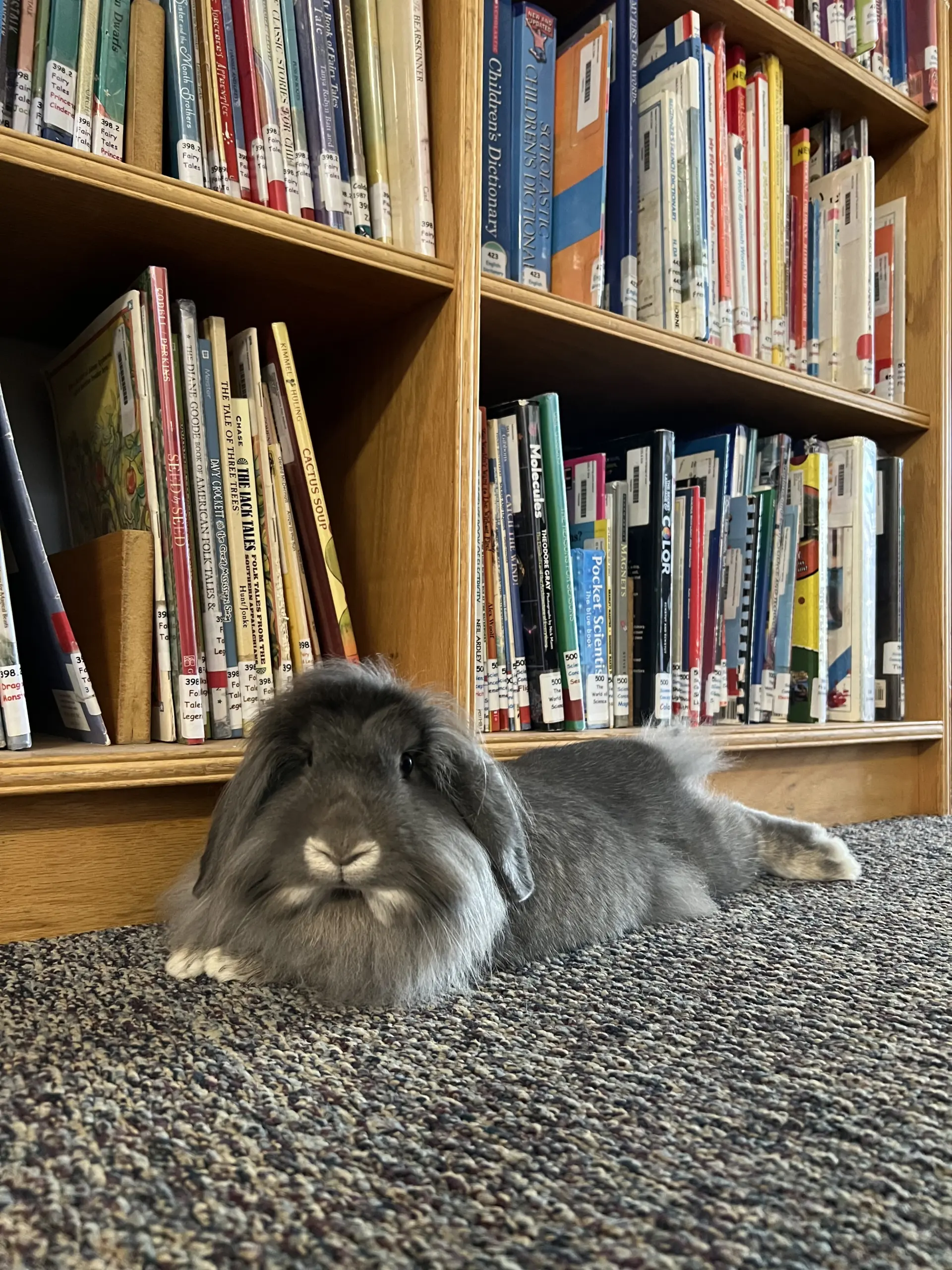
Theo
Classroom: Library
Species: Half Holland Lop/Half Lionhead Rabbit
Age: 3.5 years old
Likes: He loves to chew on non-fiction books, get pets from the children, be read to and, of course, admired by all for his funky hairdo. He will often have visitors come in just to see the “Library Bunny.” He’s never said no to a yummy snack.
Fun Fact: He is named after the author Dr. Seuss, and the whole school was included in the voting process, suggesting book-related names.
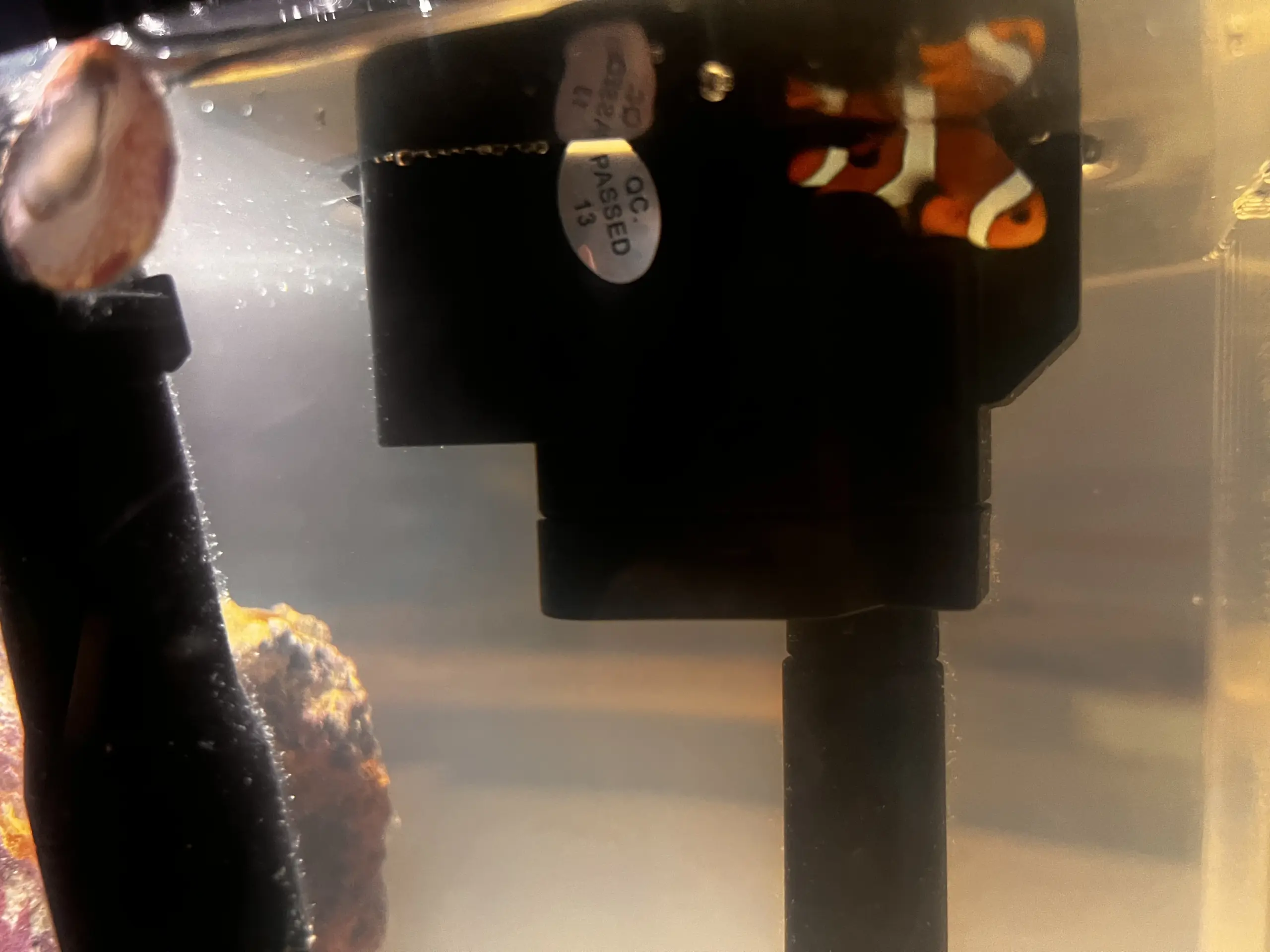 George
Age: less than 1 year
Species: Amphiprioninae (Ocellaris Clownfish)
Likes: Swimming at the top near the filter to catch any little bits of food that come his way.
Dislikes: When people shake the table and make the water swish.
Habits: Nipping at the pieces of larger flakes instead of waiting for the filter to break it up for him.
Fun Fact: George is funny because he eats debris off Starleta’s shell.
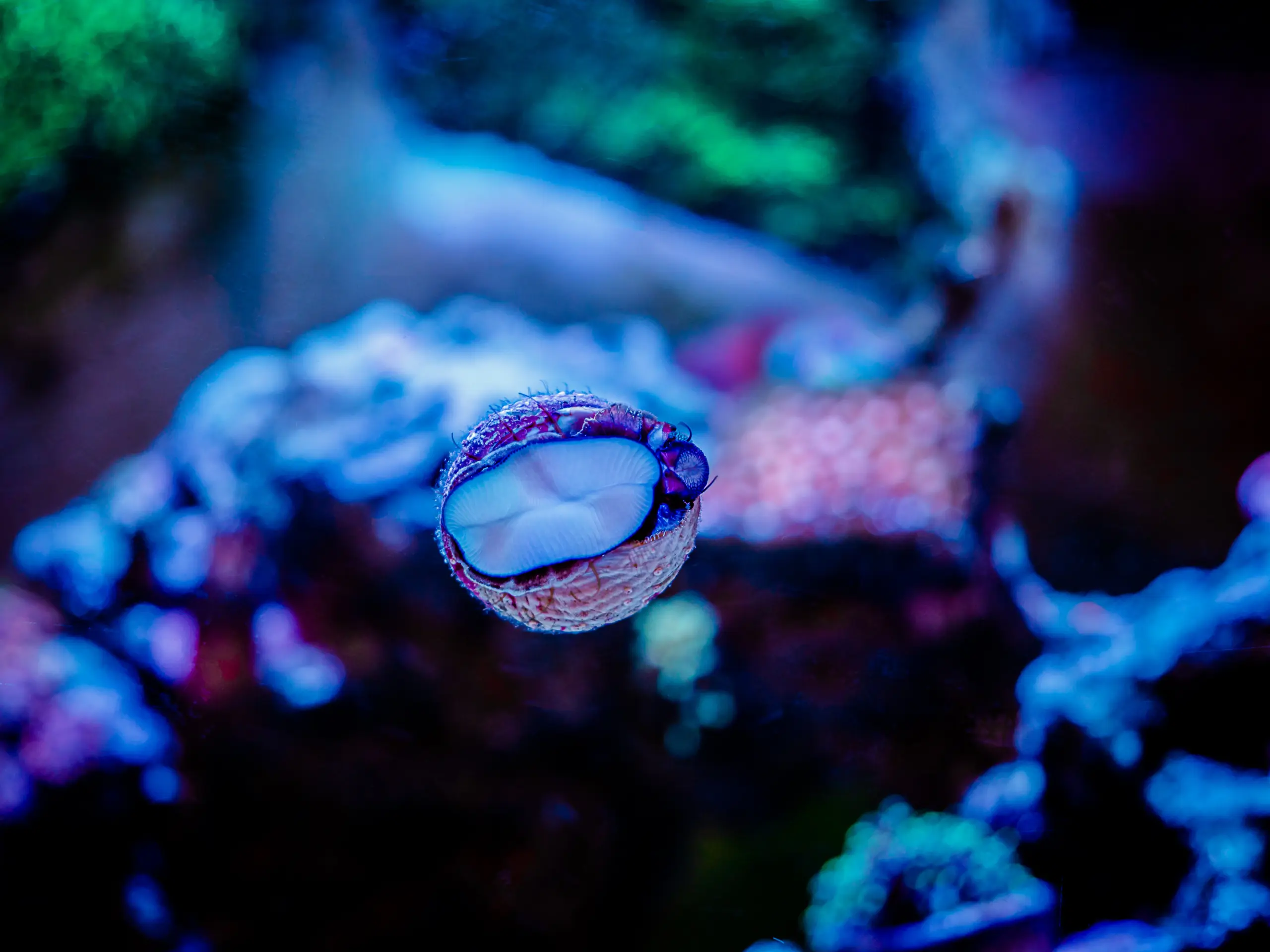
Starleta
Age: less than 1 year
Species: Trochus (Banded Trochus Tiger Turbo Snail)
Likes: She likes eating algae off the live rock.
Dislikes: Getting stuck in sand.
Habits: She hangs out with George. She cleans the tank; you never know where to find her.
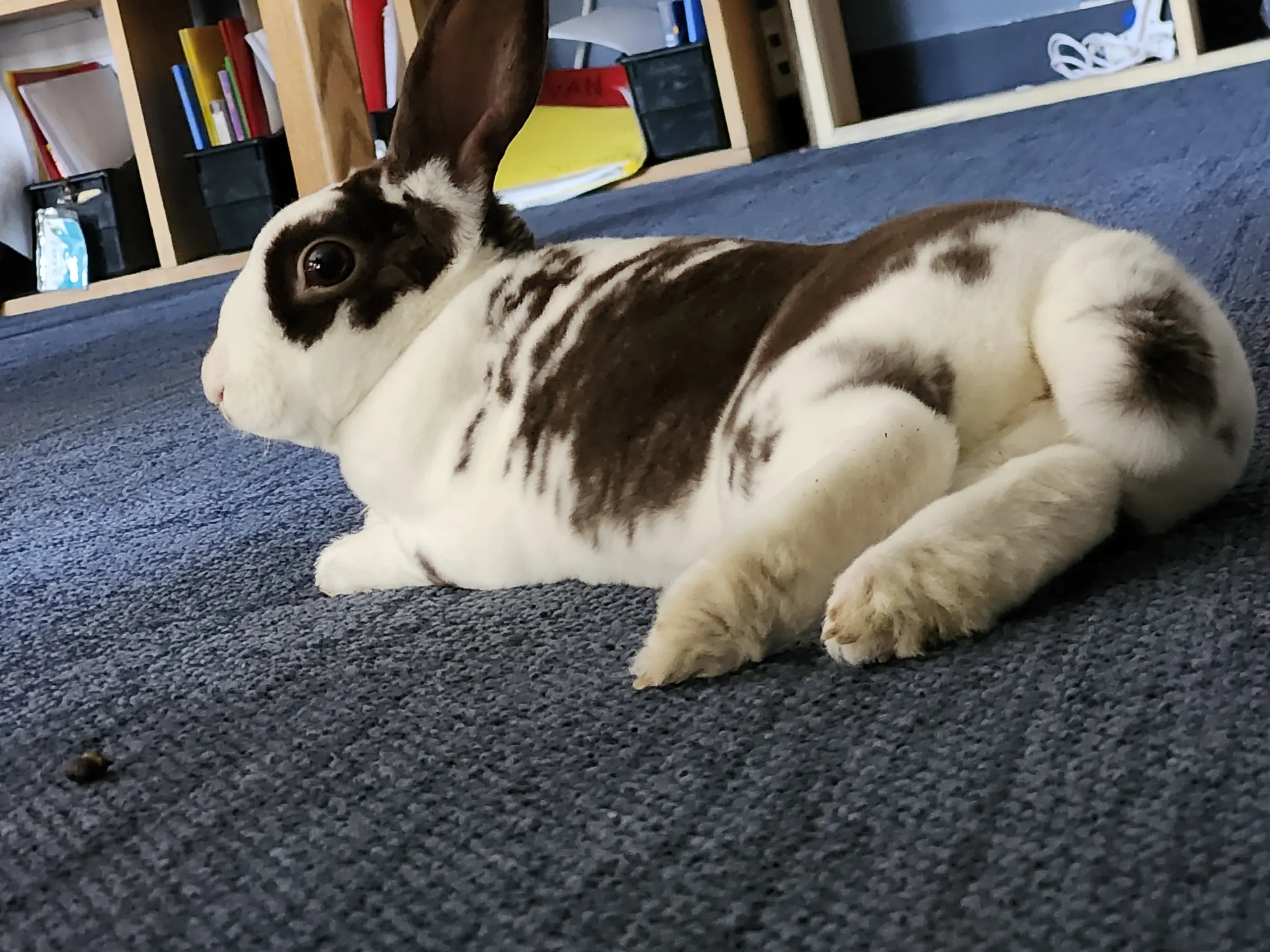 Walter Hopps
Classroom: 4th/5th Grade
Species: Rex Mix Rabbit
Age: 2 years old
Likes: Walter likes chewing on toys, does binkies (leaps and twists) when he’s happy and zooms around the room. He also loves to eat paper and projects that are left on the floor!
Dislikes: Being chased and having his nails trimmed.
Habits: He loves to roam around the classroom and will give your shoe a little nibble if he wants attention. He also sploots out along the window area to suntan.
Character Traits: He is smart, ornery and social. He enjoys being petted and loved on — on his terms!