
by Jessica Sawatski
When temperatures drop in Tulsa, it’s tempting for people and pets to hunker down. But winter doesn’t have to sideline exercise, enrichment or wellness. With a few tweaks, you can keep your pets happy, healthy and safe all season long.
Indoor Fun for Active Minds and Bodies
When icy sidewalks or freezing winds make walks less appealing, bring the fun indoors. Interactive toys, puzzle feeders and treat-dispensing games turn mealtime into a brain workout, while simple games keep energy and spirits up.
“Hide-and-seek is an especially good game for kids and dogs to play together,” says Mary Green, CPDT-KA, of K9 Manners & More. “You can also reintroduce toys that may have fallen to the bottom of the toy box, as these can become ‘new and novel’ to the pup. Better still, have a stash of toys they haven’t seen yet.”
Food can be enriching too. “We lose a big opportunity when we simply put our dog’s food into the bowl,” Green adds. “Put part of their meal in a Kong™, puzzle feeder or snuffle mat to encourage foraging and focus.”
And don’t forget: enrichment doesn’t have to break the budget. “Take an old muffin tin, put some treats in the spaces and put tennis balls on top. That’s a great way to introduce an easy game,” says Green.
When It’s Safe to Go Outside
Fresh-air walks are still doable — just shorten outings, stick to dry, non-icy surfaces and be observant. Since stiffness and pain from arthritis may worsen in the cold, watch for signs of discomfort, such as lifting paws, shivering or slowing down as these can signal frostbite risk or hypothermia.
“When temperatures are below freezing, most pets should be outside no longer than 10–15 minutes. Pets accustomed to being outdoors need shelter and protection from the elements, including warm bedding and fresh, unfrozen water,” says Alyson Fryer, DVM.
Breed and coat matter as well. “Determining when it’s safe to take a dog outside is dependent upon the dog and the breed of the dog,” says Green. “Dogs such as Samoyeds, Siberian Huskies and Great Pyrenees love to be outside in the cold and even the snow. Dogs without an undercoat — not so much. Let the dog tell you whether or not they are comfortable outside. When you take them out for a potty break, do they want to play? Or are they making a beeline back to the house?”
Additionally, older pets feel the chill more. Offer warm, draft-free beds and opt for gentle, frequent movement over long, strenuous sessions.

Winter Hazards & Gear to Help
Ice and toxins are the two biggest hazards, according to Fryer. “Slipping on ice can cause traumatic injuries, from sprains to fractures,” she says. “Toxins, such as anti-freeze and ice melt, are common winter hazards. Anti-freeze ingestion is life-threatening. As little as a few licks can be toxic and result in kidney failure. In addition, choose pet-safe ice melt (or sand for traction), use booties or paw wax, and always wipe paws after walks. Around the holidays, keep an eye on décor: poinsettias can cause drooling, vomiting or diarrhea if ingested, and sap may irritate skin or eyes.”
Dry indoor air can leave skin flaky and coats dull; regular grooming helps distribute natural oils. Protective layers and paw care go a long way too. After each outing, wipe paws to remove ice, salt and chemicals that can irritate or make pets sick.
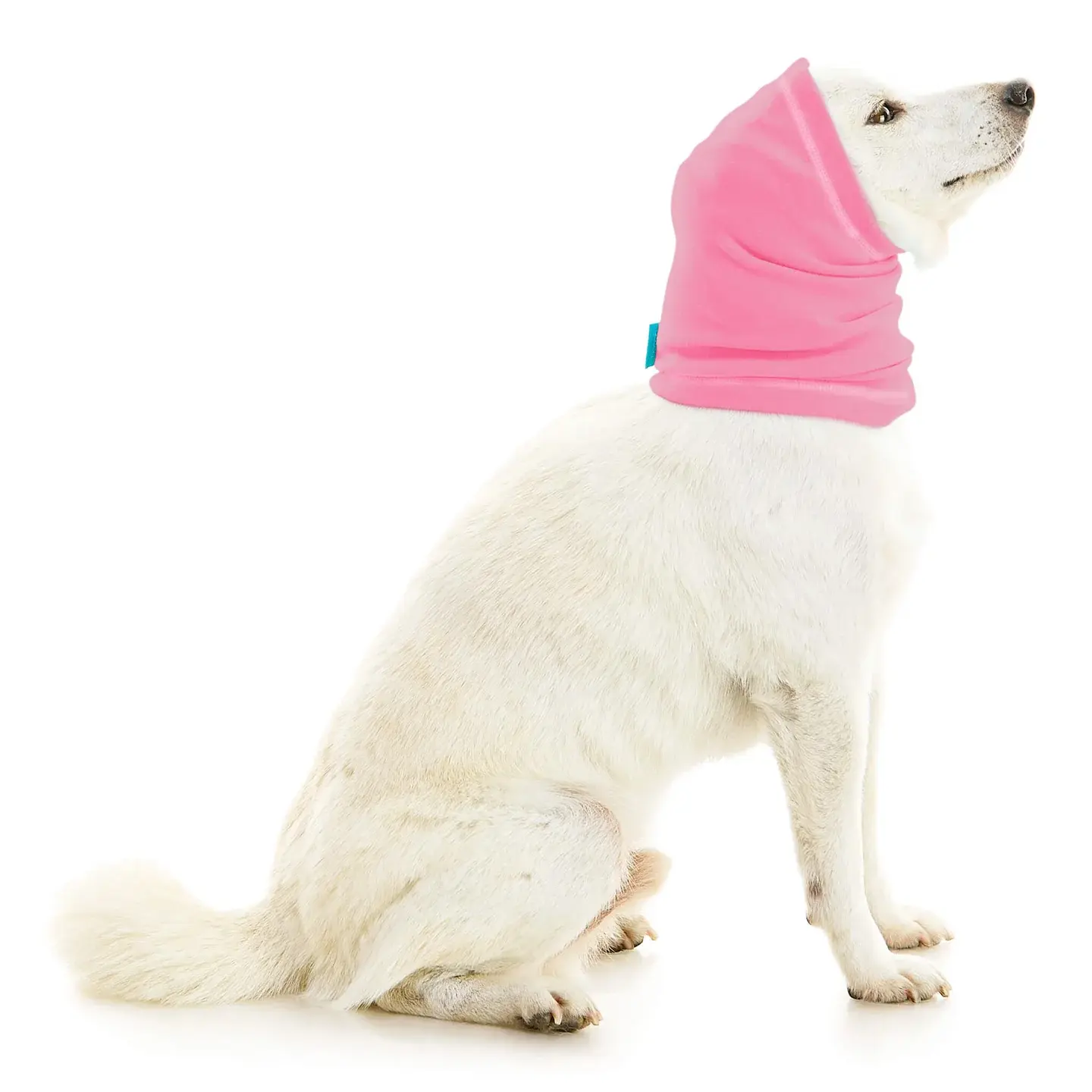
“At Fetch, we carry natural skin and paw care, omega oils to combat dryness, and protective apparel like Ruffwear jackets, boots and Gooby fleece for smaller pups — plus Snoods to keep ears warm,” says Jennie Gilpin, owner of Fetch. “My personal favorite is the Ruffwear Overcoat Fuse Vest — it’s practical, durable and cozy.”
A Note for Cats and Small Pets
Cats, especially those kept strictly indoors, benefit from climbing furniture, scratching posts and interactive play to stay stimulated during winter months.
Small pets like rabbits, guinea pigs and birds are particularly sensitive to temperature changes. Keep them away from cold windows and drafts, and ensure their enclosures are well-insulated but still well-ventilated.
Cold weather may slow us down, but it doesn’t have to sideline your pet’s health and happiness. With a mix of indoor activities, smart outdoor strategies and seasonal care, you can make this winter your pet’s coziest — and healthiest — yet.
Sidebar
Cold Weather Myths and Facts
Myth 1: My dog’s fur keeps them warm enough.
Fact: Even thick-coated breeds can get cold, especially in wind or wet conditions. Limit time outdoors and offer shelter and layers as needed.
Myth 2: Pets don’t need as much water in winter.
Fact: Indoor heating causes dehydration just like summer heat. Always provide fresh, unfrozen water — especially after walks or play.
Myth 3: Cats are fine in garages or sheds.
Fact: Garages can dip below freezing and often contain toxins like antifreeze. Even “outdoor cats” need a warm, insulated, dry shelter.
Myth 4: Booties are just for fashion.
Fact: They protect paws from salt, ice melt and frostbite. If your pet refuses them, try paw wax or rinse and dry feet after every walk.
Myth 5: Pets don’t get bored in winter.
Fact: Less outdoor time means fewer outlets for energy. Rotate toys, add indoor games and make enrichment part of your pet’s daily routine.