by Sharon Bishop-Baldwin
Photos courtesy of Nancy Lawson
Growing up as the daughter of an animal-loving mother and a father who was a plant pathologist, Nancy Lawson unsurprisingly developed an affinity for both animals and plants.
But it’s what Lawson has done as an adult — for animals and plants and people — that has allowed those dual affections to coalesce in a way that is helping change the world.
Lawson, also known as the Humane Gardener, will speak twice this month in Oklahoma about ways to create wildlife-friendly landscapes that are beneficial to both the animals and the plants that inhabit them.
Lawson, the author of “The Humane Gardener: Nurturing a Backyard Habitat for Wildlife” and “Wildscape: Trilling Chipmunks, Beckoning Blooms, Salty Butterflies, and other Sensory Wonders of Nature,” was working in the early 2000s for what was then the Humane Society of the United States (now known as Humane World for Animals). She had a particular interest in topics dealing with conflicts between humans and wildlife, and while writing about humane geese control, she learned that sometimes the most effective, humane solution is often the simplest.
Lakeside residents, angry about the geese pooping on their lawns, were resorting to some pretty inhumane methods to control the fowl visitors, but Lawson found an answer in simple goose behavior.
“Geese need a clean sightline to the water, and the people were mowing the grass around the lakes,” she said.
By simply allowing vegetation, such as native grasses, right around the water to grow tall, the geese would stay away.
About the same time, Lawson was cultivating her own interest in gardening.
“I was seeing how much people were in conflict with wildlife all the time,” she said. “I thought, ‘There’s a niche here for humane landscaping and also to welcome wildlife.’
“There’s a way to employ plants to help with both of those purposes,” Lawson said. “Animals need plants, and plants need animals. You can learn from the other beings in your landscape.”
Lawson has plenty of targets where a little education could go a long way.
She said humans could be more aware of the sensory receptors of animals in our habitats. Noise pollution affects all animals, even insects, and can reduce nest hatching and spur avoidance behaviors.
Besides the more obvious problems with herbicides, humans also need to be more aware of the “coverings” we put on the ground, she said.
Mulch, Astroturf and other types of non-native substrates might be attractive, but they can do catastrophic damage to the insects that live on the ground.
“There are all these animals in those layers (of leaves, grass and dirt), nesting in the ground,” she said. “If you’re smothering that ground, you’re really leaving no opportunity for pollinator life cycles to be completed.”
Even changing the way we talk about plants and animals can improve the environment.
“The language that we use to describe plants and animals can end up influencing how we treat them,” Lawson said.
“Overgrown” is a bias-laden word, she explained, adding that a lot of what we do in our yards has to do with what’s being recommended by agricultural influences.
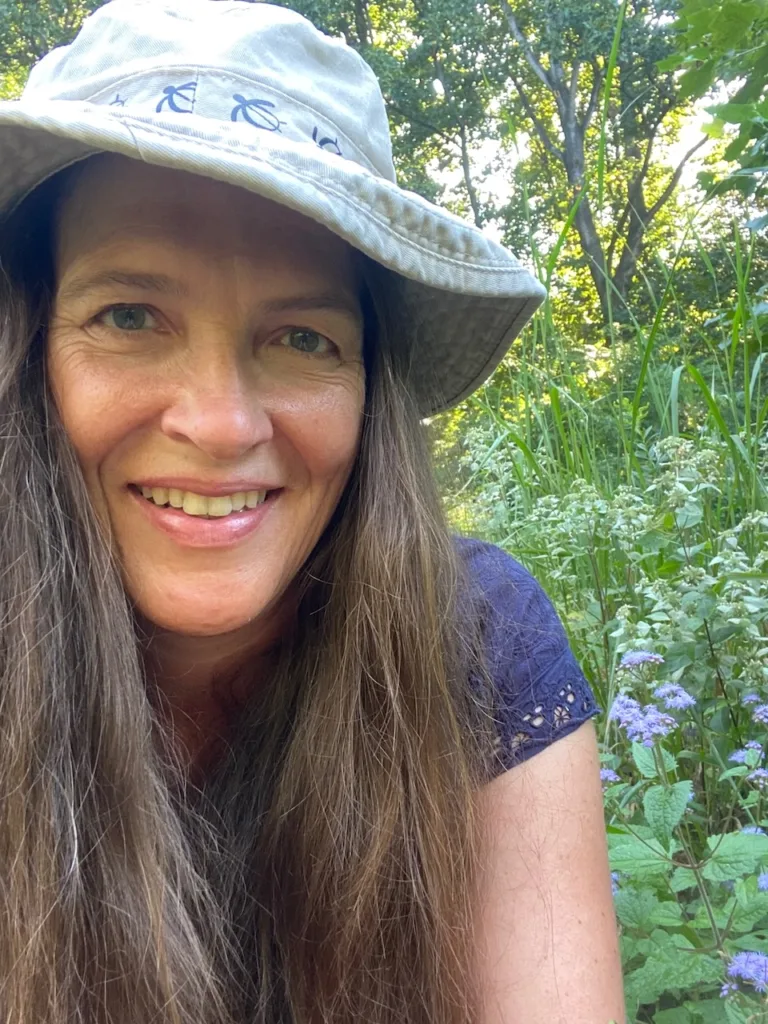
“So many animals are called pests and aggressive,” Lawson said. “Think about that from the animals’ perspective. Everyone has a role to play. When we categorize stuff so much, I think all that gets lost.”
Many urban gardeners counter that wildlife- and plant-friendly measures end up creating conflict with other humans.
The people we call neighbors often take objection to tall grasses or to plants that might look more like weeds than flowers.
“The first thing to always do is just try to talk to people,” Lawson said. “That’s not always possible, but people might just not understand what you’re doing. They haven’t seen it before. That goes for neighbors and code enforcement.”
Lawson recommends talking to disgruntled parties about how you’re supporting local businesses by buying all those native plants.
Signs denoting your landscape as certified habitats for pollinators or wildlife also can placate some detractors, she said.
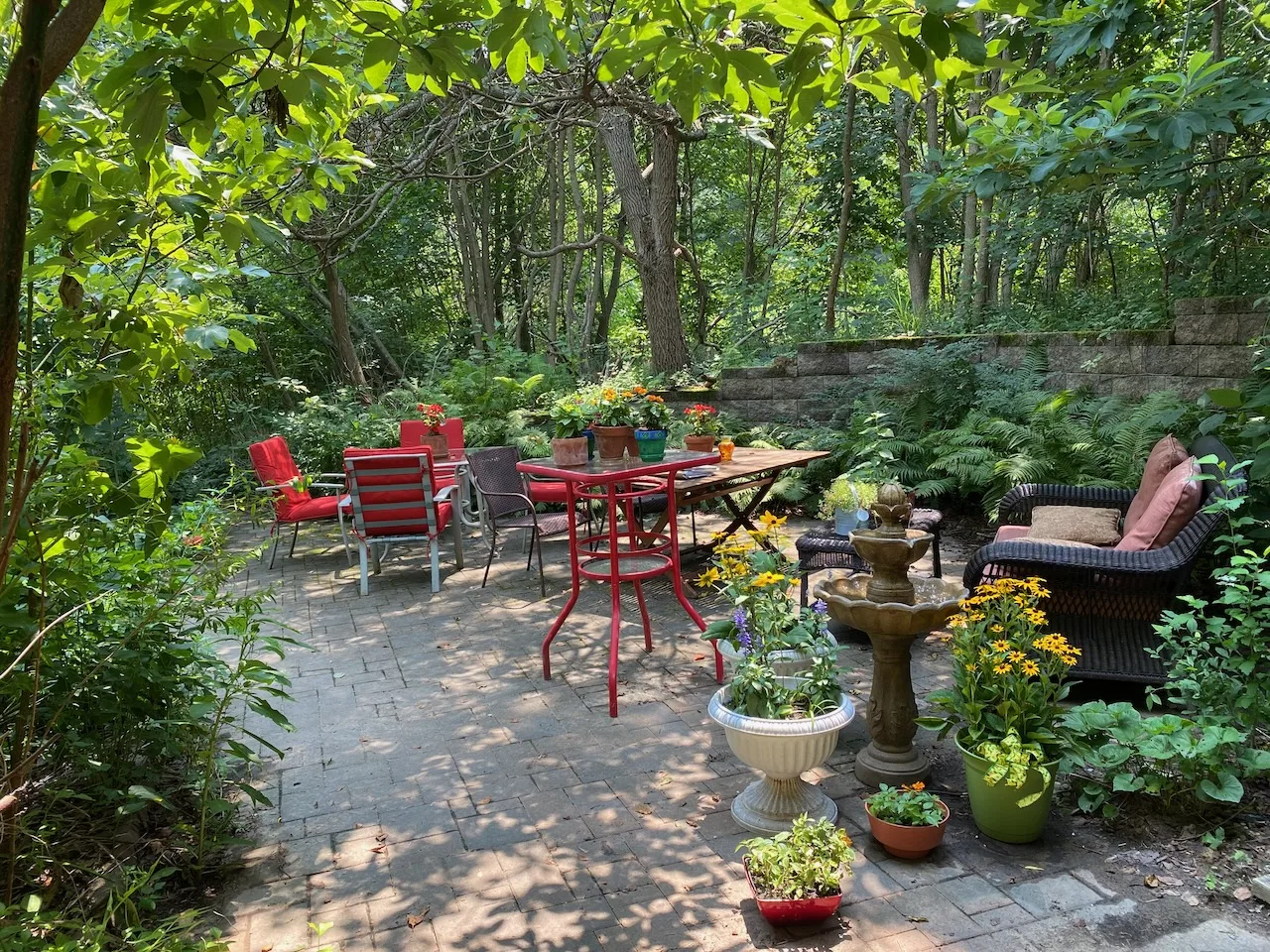
Gardeners also can create paths through landscapes to show human involvement, place attractive bird baths in the area and maybe even plant some shorter, more-recognizable flowers near the front.
But isn’t it bad to bring wildlife to cities?
They’re already here, Lawson said.
“Urban wildlife are already thriving or at least surviving in cities. They’re already moving through our landscapes,” she said. “I think we should be living in a way to try to help them and to try to live in harmony with them.”