

by Anna Holton-Dean
For some, the thought of spring cleaning and organizing brings a sense of relief and peace.
For others who aren’t sure where to begin, it can trigger overwhelming dread. For pet owners, it’s a double challenge.
Which products are truly pet-safe and effective at eliminating odors? And how do you rein in the clutter that comes from sharing your home with pets?
We’ve come to the rescue with tips from Tonya Mason, owner of Mess to Less: Get Organized LLC, to help make your home safer, fresher and more organized for humans and pets alike. It’s all about creating a space where everyone can breathe easy. Here’s how to do it, step by step.
OUT WITH THE OLD
Before organizing and categorizing, Mason advises taking inventory and removing anything that’s expired, broken, worn out or no longer needed. This is also a great time to donate gently used items to rescue shelters if they’re no longer in rotation, such as well-loved blankets or hand towels.
Once you’ve pared things down, create boundaries for what remains. “Boundaries are physical limits that prevent clutter from spreading,” Mason says. “They make items easy to find and return. Think of boundaries as guardrails.”
ORGANIZE PET SUPPLIES
Food & Treat Station
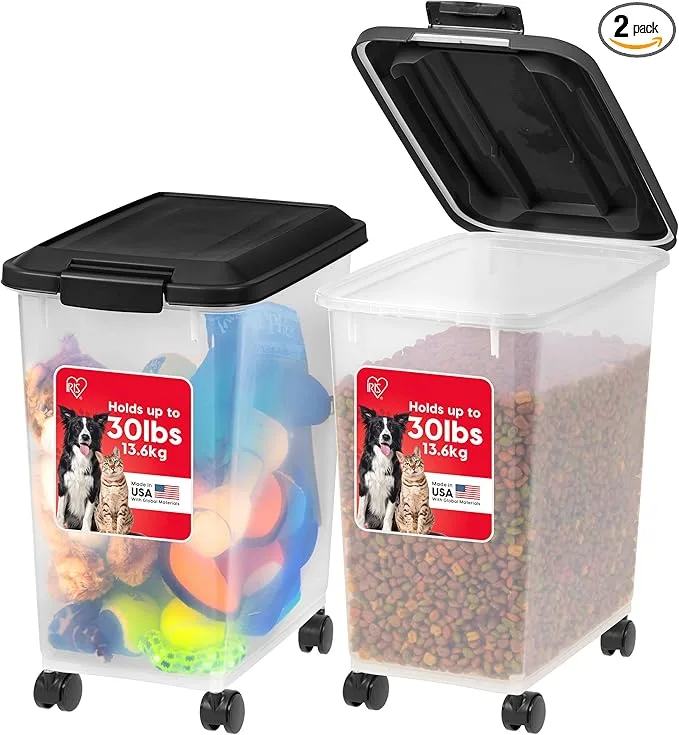
Use airtight containers to keep food fresh. Label with your pet’s name and expiration date.
Grooming & Health
Keep these items together for quick access:
- Brushes
- Shampoo
- Nail clippers
- Flea and tick medications
- Toothbrush and toothpaste
- Pet-safe wipes
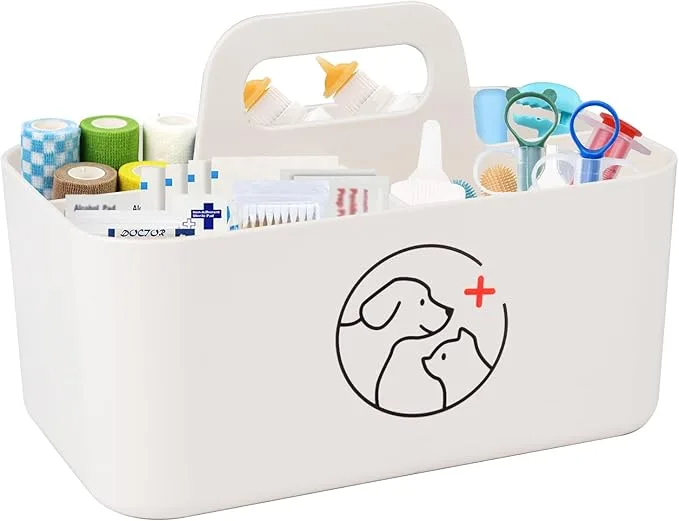
- Basic first aid supplies
Storage Tip: Use a handled bin or a dedicated drawer near the bathroom or laundry room.
Labeled, clear storage containers make it easy to see when it’s time to restock (Iris USA storage container on wheels, amazon.com).
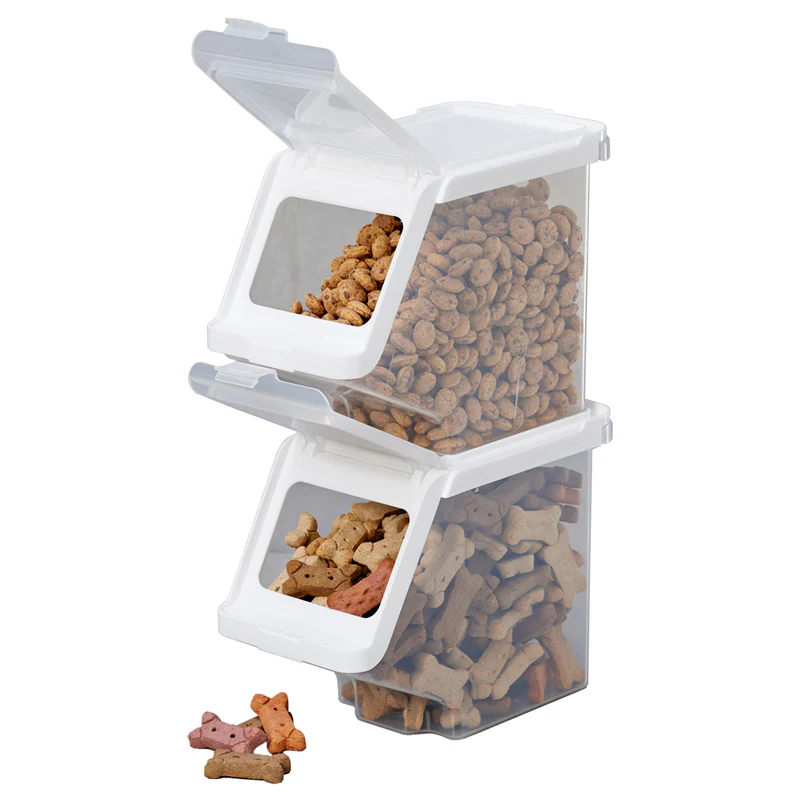
Clear jars or bins also work well for treats. This stackable option by Buddeez saves space and fits jumbo-sized treats (southernagriculture.com).
The Brabtod caddy is a great option for various pet supplies that can be transported easily from room to room (amazon.com).

ORGANIZE TOYS, LEASHES & OTHER ACCESSORIES
Mason advises creating simple, low-maintenance systems that actually work.
An open basket works well for toys, and rotating them weekly keeps your pet engaged and active.
Wall hooks or racks make leashes and harnesses easy to grab, while a small bin or basket can hold travel bowls, poop bags, boots and coats.
Mason’s simple declutter rule: if a toy is broken, missing stuffing, or unused, toss it or donate it.
CLEANING SUPPLIES
Having the right cleaning supplies on hand helps you tackle pet messes safely and quickly, before they become bigger (and smellier) problems.
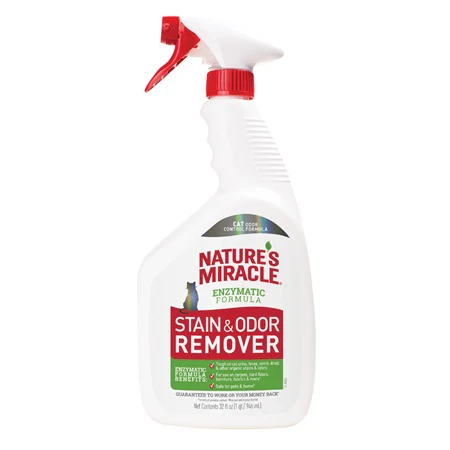
- Enzyme-based (and pet-safe) cleaners like Nature’s Miracle (southernagriculture.com) for breaking down bacteria-causing odors
- Baking soda (neutralizes odors in carpets, fabrics and litter boxes)
- Paper towels
- Lint rollers
- Vacuum attachments for hard-to-reach places
Storage Tip: Keep cleaning supplies stored safely under the sink, in a mudroom or laundry room away from curious noses.
FILE PET HEALTH/MEDICAL RECORDS
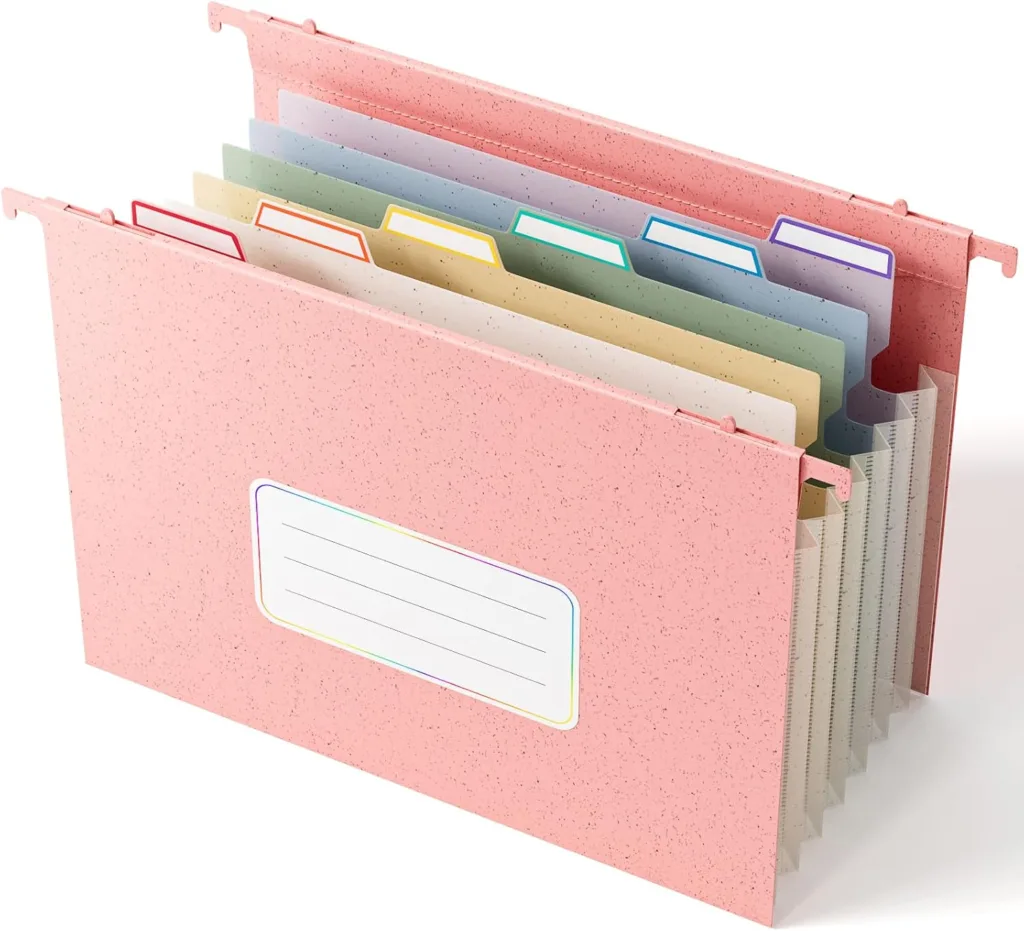
Keep phone numbers and records in an inexpensive file folder or binder and store with pet supplies or in a filing cabinet. Use tabs for categories.
Mason suggests labeling bins and containers with:
- Pet name
- Purpose (daily, grooming, travel, etc.)
- Expiration dates (food and meds)
CLEAR BINS = CLARITY
Clear bins eliminate guesswork and make it easy to stay organized. “I like clear bins because you can always see what’s in them,” Mason says.
Labeling Tip: Labeling bins and baskets helps everyone in the household know where items belong, making clean-up and organization faster and easier.
Pet Maintenance Checklist
Daily Basics
- Wipe food and water bowls
- Pick up toys
- Quickly sweep or wipe floor near doors your pet uses
Weekly Quick Reset
- Brush coat
- Check ears, paws and nails
- Wipe down feeding mat and eating area
Monthly Maintenance
- Wash/sanitize food and water bowls
- Clean the toy basket and rotate toys
- Check medications and refill as needed
- Wash pet bedding
- Restock poop bags and treats
Seasonal To-Do’s
- Deep-clean crates and carriers
- Replace worn leashes or beds
- Update veterinary records and vaccination reminders
- Review flea, tick and heartworm prevention plans