

by Mary Green
January is National Train Your Dog Month — the perfect time to celebrate learning, teamwork and the joy of progress with your dog! Whether you’re teaching your first “sit” or refining your recall, every success begins with simple steps and a clear plan. Just like we learned our ABCs before we learned to read, our dogs also thrive when training starts simple and builds on success.
Start Simple — and Make It Fun
Do you remember learning something new? Maybe it was a sport, a craft or even a new job. At first, it felt awkward — until someone broke it down, step by step. Great dog training works exactly the same way. A good teacher (that’s you!) starts with easy steps, rewards small wins and adds challenge only when the student is ready.
Think of it this way: we learn letters, then words, then sentences, and before long we’re writing a novel! Your dog’s learning journey can be just as exciting when you celebrate each little step along the way.
Every Dog Is Unique
People often ask, “What’s the smartest breed of dog?” The answer is always “it depends!” Border Collies are brilliant at herding, but a Bloodhound’s nose outsmarts everyone else. Your dog has her own strengths — curiosity, enthusiasm, focus or playfulness. When you recognize those talents, you can shape training around what best motivates your dog.
Training is not about perfection; it’s about teamwork and discovery. When you and your dog work together, you’re both learning a new language of trust and understanding.
The ABCs of Dog Training
Dogs learn through consequences — just like we do! The A-B-C model helps keep training simple and structured.
A = Antecedent — what happens before the behavior.
Think of this as setting up for success: the environment, your tools and your attitude.
B = Behavior — what your dog does (and what you do in response).
C = Consequence — what happens after the behavior. A reward makes the behavior more likely to happen again. Ignoring or preventing unwanted behavior helps it fade away.
Example: The Jumping Greeting
Your dog loves you — sometimes a little too much! If your pup jumps up when you come home, she’s not being “bad”; she’s just learned that jumping gets attention.
Let’s use the ABCs:
- A: Be prepared before you walk through the door. Keep a leash handy and a few tasty treats nearby.
- B: Stay calm and quiet. Wait for your dog’s paws to stay on the ground, briefly!
- C: Reward that calm, four-on-the-floor behavior with praise, pets or treats.
- Soon, your dog learns that polite greetings earn the best reward — your attention! When that becomes easy, raise the challenge: ask her to sit before you say hello. Before long, she will offer that sit automatically.
Example: Fetching Fun
Does your dog grab the toy and run away instead of bringing it back? The ABCs can help here too!
- A: Gather two toys and find a safe, quiet place to play.
- B: Toss one toy a short distance. When your dog picks it up, show the second toy and act as if it is the BEST toy. Then toss that one and keep alternating live toy/dead toy.
- C: The reward for returning is … another toss!
- Two toys keep the game moving and teach your dog that bringing one back makes the fun continue.
Example: Loose-Leash Walking
Even walking politely on leash can improve when you think ABCs.
- A: Use the right equipment — a comfortable harness, a 4- to 6-foot leash and great treats.
- B: Reward small moments of success — even one step of slack leash earns a treat!
- C: If your dog pulls, stop. If she walks beside you, go forward. She’ll quickly learn that she controls the walk with her choices.
Keep It Positive
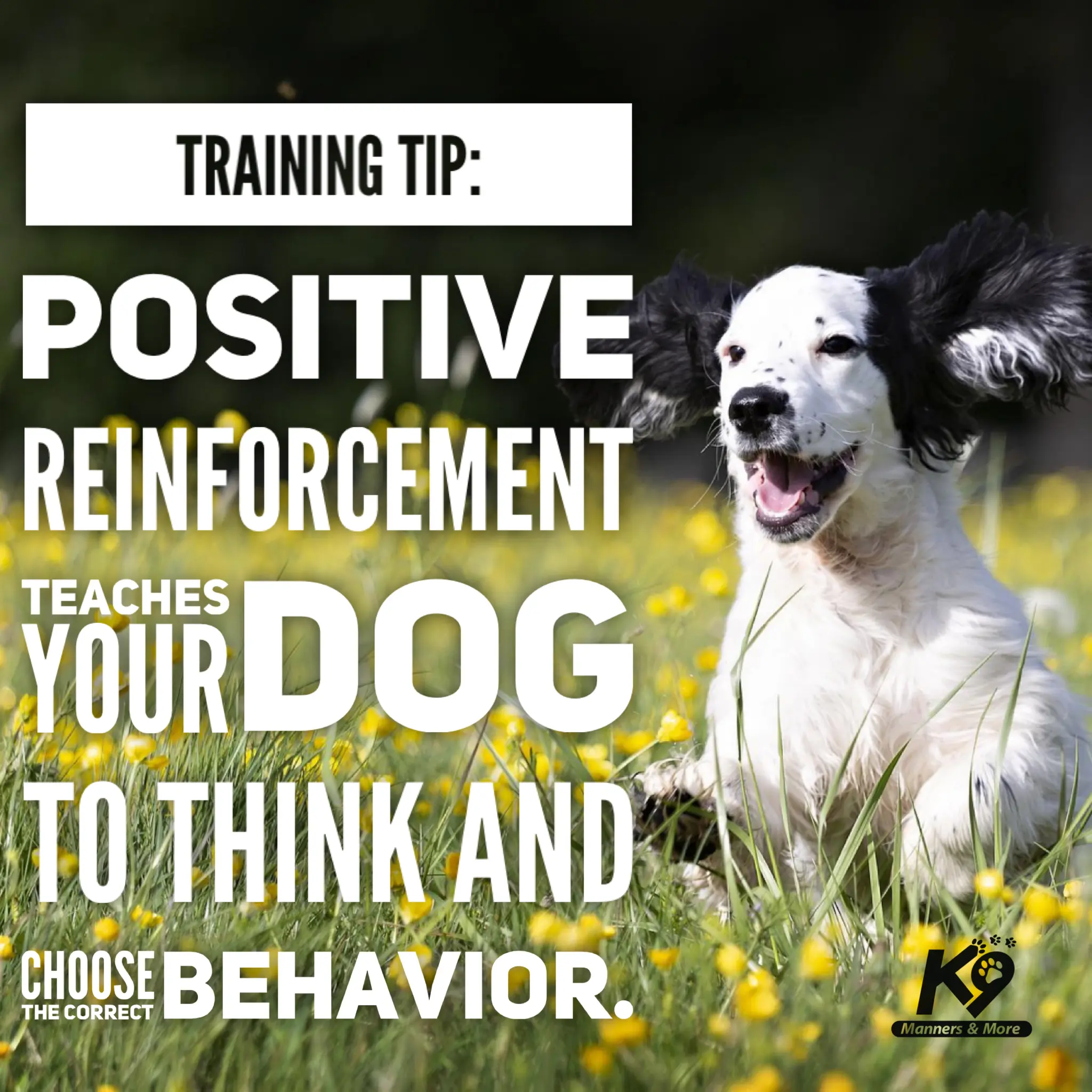
The most successful trainers — and the happiest dogs — focus on positive reinforcement. Set your dog up to win, keep lessons short and upbeat and always end up on a success.
Remember, January’s “Train Your Dog Month” isn’t just about obeying commands; it’s about building a joyful bond that lasts all year long.
So this month, grab your treats, your leash and your sense of humor. Start simple, stay patient and celebrate every “A-B-C” step of success. Your dog will thank you with tail wags, trust and teamwork that will carry you far beyond these long winter months.
Mary Green is a Certified Professional Dog Trainer Knowledge Assessed (CPDT-KA), Certified Dog Behavior Counselor (CDBC), and Certified Nose Work Instructor (CNWI) at K9 Manners & More in Broken Arrow, Oklahoma.