by Jessica Sawatski
Cats are masters of the expected: They nap in sunbeams, patrol the windowsill and give you that slow-blink look that somehow feels like a compliment. But every so often, they drop a reminder that they’re also gloriously weird, tiny predators with big opinions and a flair for the unexpected. From playing fetch to chirp-chattering at birds like they’re live-commentating nature TV to insisting that sink water is the only acceptable source, feline life is full of small mysteries that make us laugh, wonder and reach for our phones to document it. These three cat quirks will make you ask, “Wait… cats do that?”
 1. The Fetch Factor
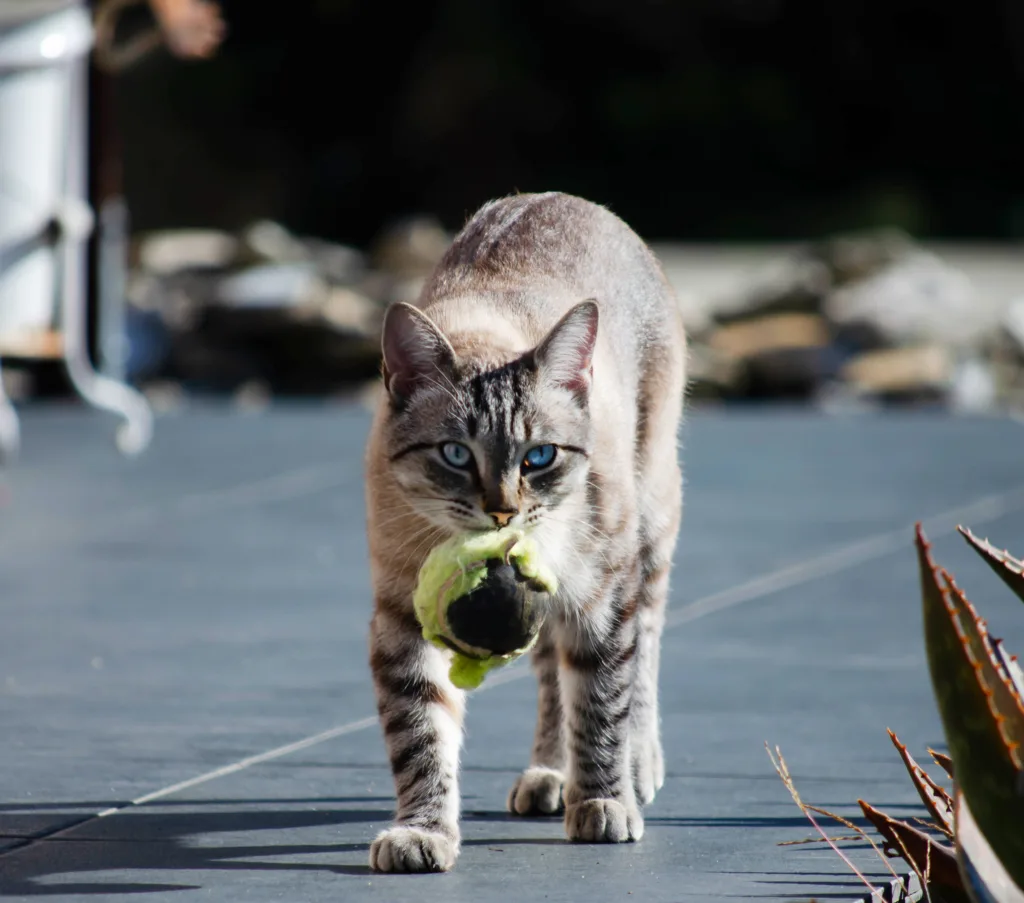
Cats have a reputation for being too cool for dog games, yet a lot of them absolutely play fetch. In a comparative “Pet Science Daily” survey of more than 8,000 pet cats, 40.9% were reported to fetch “sometimes” or more often, meaning they chased a tossed toy and brought it back like a tiny, judgmental retriever.
Another large study, “Making Fetch Happen: Prevalence and Characteristics of Fetching Behavior in Owned Domestic Cats and Dogs,” published in PLOS One by researchers at Purdue University, found essentially the same thing: about 41% of cats fetch, compared with 77.8% of dogs.
Who’s most likely to fetch? The “Pet Science Daily” survey noted higher rates among Siamese, Burmese and Tonkinese cats, and found that 95% of fetching cats weren’t taught; they initiated it on their own. The Purdue/PLOS One study also reported fetching was more common in younger animals and males, and less common when cats lived with dogs.
Why they do it: “Many cats fetch, or hunt if you will. They’re quite good at it actually,” says Dr. Ashley French, medical director at Neel Veterinary Hospital. “Sometimes it’s just a difference in personality. Some are avid fetchers and hunters, and others are more easy-going or aren’t into it at all.”
“There’s a new breed in town… the Retriever-Tabby!” – Leticia Fanucchi, DVM, PhD, Clinical Assistant Professor, Behavior Medicine Service at Oklahoma State University
Try it at home: Choose small, light toys that skitter like prey. Keep sessions short, celebrate the “return” and don’t be offended if your cat quits mid-game. French recommends rewarding fetching behavior with a small treat, verbal praise, or the kind of petting and physical touch the cat enjoys.
 2. The “Chirp-Chatter” Combo
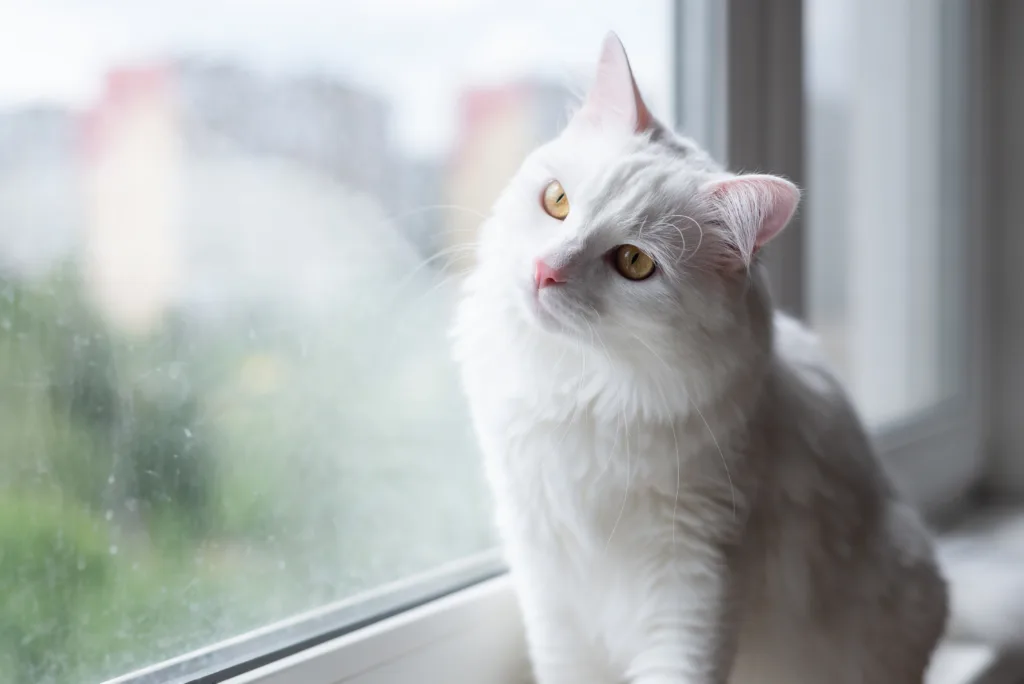
That squeaky, rapid little clicking noise cats make at birds or squirrels through a window is one of their strangest greatest hits. Animal behaviorists generally link it to predatory excitement mixed with frustration. Your cat’s brain is yelling “HUNT!” while their body is stuck behind glass.
Fanucchi says chirping or chattering at prey through a window is a sign of excitement, anticipation or a greeting type of vocalization.
Normal or not? “Cat chirping can be frustration from not being able to get to prey outside the window, but overall, it’s usually a positive vocalization and can even resemble mother-cat communication with kittens,” says Fanucchi.
Channel the instinct: If your indoor cat chatters a lot at wildlife, lean into enrichment. Offer toys that move or make sound, rotate prey-like play sessions and give them a comfy “nature TV” perch near a window, as both experts recommend. “Chirping in cats is an expression of their personality, and it should be encouraged with play and positive reinforcement,” says Fanucchi.
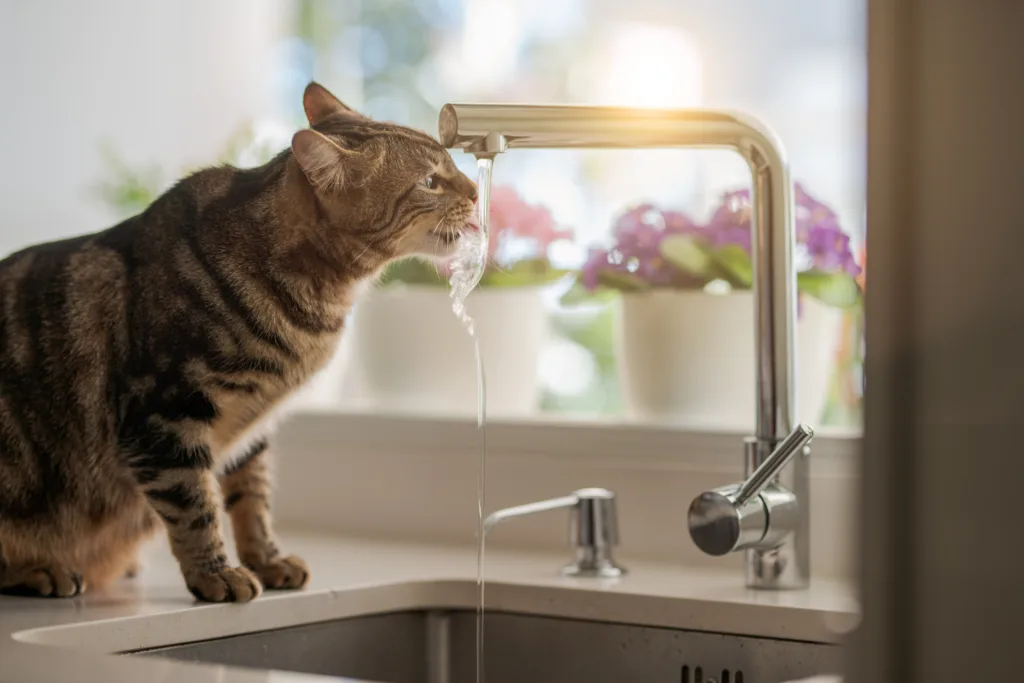 3. Sink = The Best Water on Earth
Cat owners, you know the drill. You set down a pristine water bowl. Your cat strolls past it to drink from the faucet like they’re checking into a luxury spa. According to PetsRadar, cats are often drawn to running water because, in nature, moving water tends to be fresher and safer than stagnant pools. There’s also a sensory angle: flowing water is cooler, makes an interesting sound and lets cats sip from shallow streams that don’t squash their whiskers.
“Cats drink more water when they have a fountain compared with a bowl,” says Fanucchi, who cites whisker fatigue and the fact that cats perceive moving water as fresher and more interesting as common reasons they avoid bowls.
Hello, whisker sensitivity!
If your cat is obsessed with the sink, a pet fountain can scratch the same itch without wasting water and may help support kidney and bladder health by boosting daily hydration.
Hydration hack: French agrees fountains can help with hydration, especially when placed in open, high-traffic spots your cat already likes to hang out. “Drinking water is important to overall health, especially for the bladder and kidneys. Encouraging your cat’s water intake is likely to help.”
TRANSLATION
What Your Cat Is Saying
- Slow blink = “You’re safe.”
- Tail like a question mark = “Hi! I’m friendly… for now.”
- Cat tush in your face = “You’re family.” (Weird family, but still.)