
How cats respond to extreme heat and the warning signs owners should watch for
by Jana Layton, DVM
Why Cats Struggle With Heat
Although felines evolved in the warm, arid climates of North Africa and the Near East, the way cats handle heat is more complex than many pet owners realize. Their desert ancestry equipped them with remarkable adaptations for surviving in dry environments, including the ability to conserve water through highly concentrated urine and a naturally lower thirst drive than dogs.
While these traits helped cats thrive in water-scarce environments, their water-conserving biology can be a disadvantage, as cats are slow to increase water intake when dehydrated. Cats tend to remain still rather than actively seek cooler environments. Their instinct is often to conserve energy and stay quiet, even when overheated, which can unintentionally prolong heat exposure.
Cats have limited cooling mechanisms. They do not sweat in a meaningful way as humans do. Their only sweat glands are on their paws, and those glands do very little to regulate body temperature. Unlike dogs, cats do not rely on panting or drinking water to cool down. Instead, they lose heat through evaporative cooling during grooming and through slight increases in respiratory rate. Those processes are slow and easily overwhelmed during excessive heat, especially when the conditions are humid in the climate of Oklahoma summers.
The Subtle Signs of Dehydration
Cats are masters at hiding discomfort and illness. Because of this, early signs of dehydration or heat stress are often subtle behavioral changes rather than dramatic symptoms.
Owners may notice:
- Seeking tiled floors or cool surfaces
- Increased hiding in darker or enclosed spaces
- Sleeping longer than usual
- Reduced activity levels
- Becoming quieter or less interactive
Many of these changes can be normal seasonal adaptations. The challenge is determining when these changes are normal and when they may indicate illness.
If symptoms fail to improve by late evening, persist for several days or are accompanied by vomiting, diarrhea or marked lethargy, veterinary attention should be sought.
Oklahoma summers can be especially risky for cats with underlying health problems. Even mild dehydration or appetite loss can become dangerous in older or medically fragile cats with diabetes, hyperthyroidism, pancreatitis, heart disease or chronic kidney disease.
Helping Cats Stay Cool and Hydrated
Fortunately, several simple measures can significantly reduce heat-related stress in cats.
- Increase moisture intake by feeding canned food which is 70% water and provides moisture that many cats would not otherwise consume.
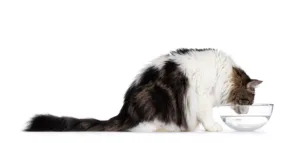
- Provide more water sources by offering extra bowls and water fountains in areas where they prefer to rest and lounge.
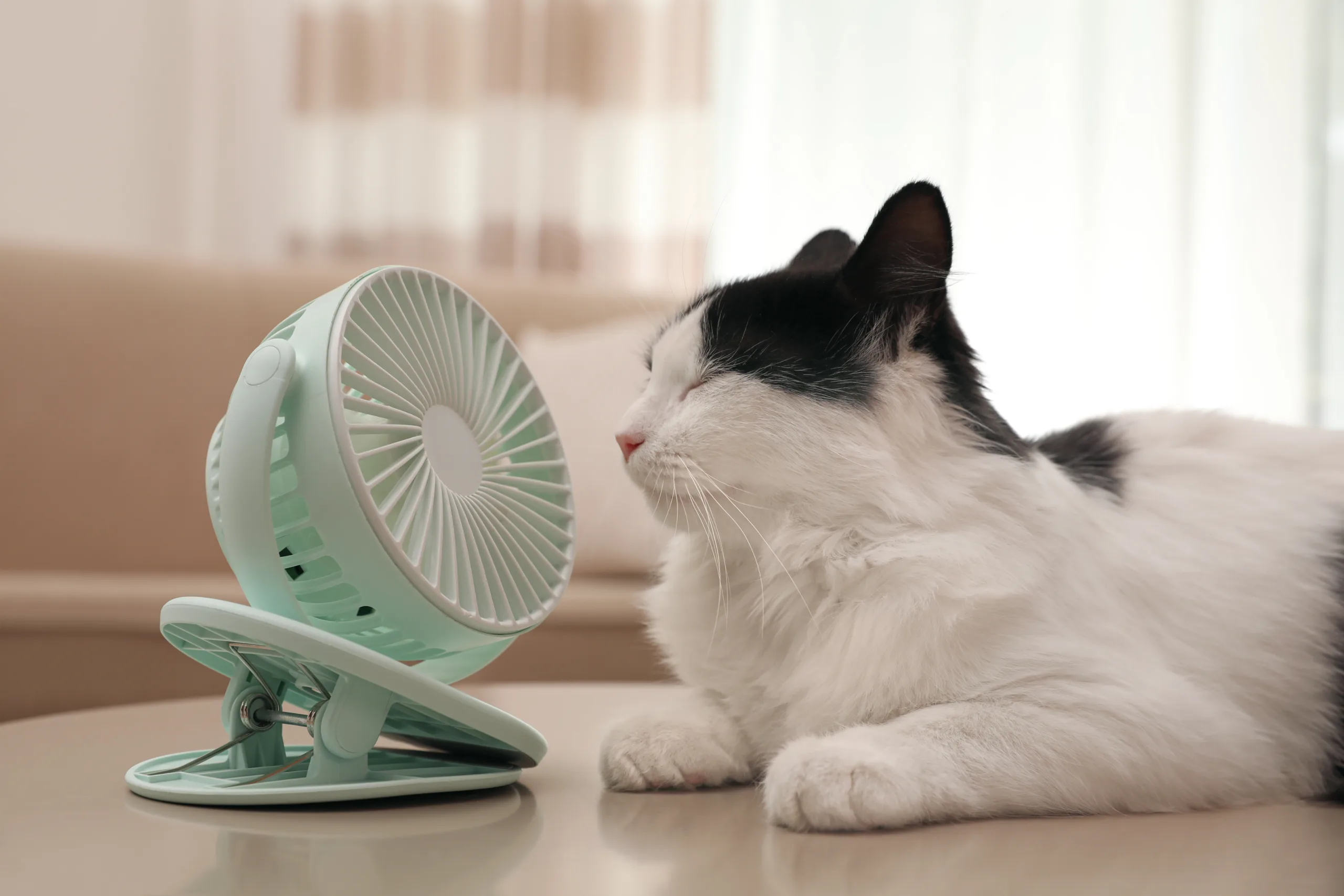
- Improve airflow and shade with fans, air-conditioned spaces and shaded resting areas. Outdoor cats should always have access to shade and cool shelter during the hottest parts of the day.
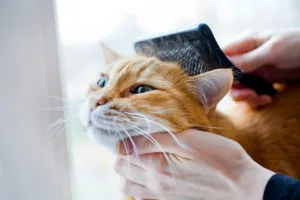
- Address increased grooming and hairballs by using hairball remedies and regular brushing.
One of the greatest misconceptions about cats is that silence means comfort. In reality, cats often become quieter when stressed, overheated or dehydrated.
Because Oklahoma summers continue to bring prolonged periods of extreme heat and humidity, cat owners should pay close attention to subtle behavioral changes and hydration habits.
With proper awareness, environmental adjustments and proactive care, most cats can remain healthy and comfortable even during the harshest summer months.