
Why hundreds of millions of birds depend on Oklahoma and how each of us can help protect them
by Inger Giuffrida, Executive Director, WildCare Oklahoma
Photos courtesy of WildCare Oklahoma
It’s fall, which means it is time for bird migration. Between mid-August and the end of October, hundreds of millions of birds will travel to or pass through our state. Yet today, migrating birds face more dangers than ever before.
What is migration?
Migration is the regular movement of animals to survive seasonal changes. Often migratory journeys are undertaken to find food and water, escape harsh or dangerous weather conditions, and seek optimal habitats for having and rearing their young. Wildebeest, zebras and gazelles travel across the Serengeti of Tanzania to the grasslands of Kenya for food. Gray whales travel from their Arctic feeding grounds to the warm waters around the Baja Peninsula to give birth.
Caribou migrate during calving season to avoid predators and head south during the winter to find lichen to eat. Monarch butterflies make a multigenerational journey from Canada and the United States, where they feed on milkweed and other nectar sources, to their overwintering grounds in the forests of Mexico.
But the most spectacular journeys are undertaken each year by approximately 4,000 to 5,000 species of birds throughout the world. In the United States, there are four primary migration routes: the Atlantic, Pacific, Mississippi and Central Flyways. Oklahoma is part of the Central Flyway, through which hundreds of millions of birds representing 400 species travel during spring and fall migration.
Birds migrate from, to and through Oklahoma every spring and fall
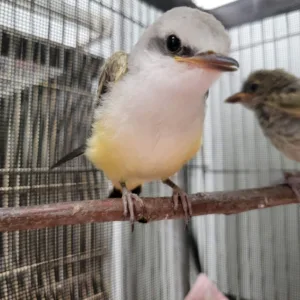
Scissor-tailed flycatchers, the state bird, migrate to Oklahoma each spring to mate and raise their young, following the insect bloom as temperatures warm across North America. This striking bird, commonly seen on power lines and fences along roads throughout Oklahoma, relies on a wide variety of flying insects, which it catches on the wing (while flying) to survive. Western kingbirds, purple martins and Mississippi kites are all examples of insectivores that call Oklahoma home during the spring and summer, devouring billions of insects to build the energy reserves required for their arduous return journeys to Central and South America in the fall.
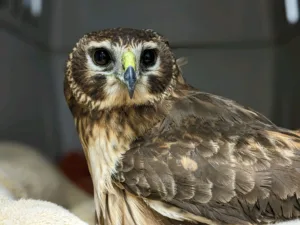
Waterbirds like double-crested cormorants, diving ducks like ring-necked ducks, and raptors like northern harriers and short-eared owls migrate to Oklahoma during these fall months to ride out the winter, returning farther north in the United States and into Canada and the Arctic during the summer months to have and rear their young.
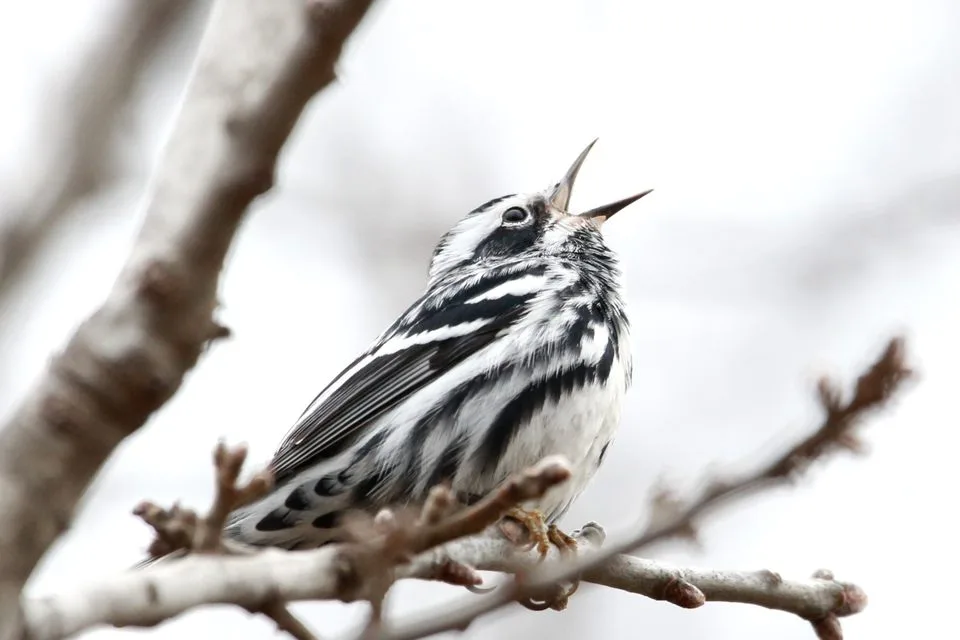
Finally, many birds pass through the state but rely on essential habitats along the way to refuel on their long migratory journeys during the spring and fall. These include endangered species such as whooping cranes, piping plovers and least terns, as well as sandhill cranes, Franklin’s gulls, rufous hummingbirds and many warbler species. These birds count on food, water and habitat resources in certain areas of the state being available so they have the caloric reserves to complete their migration routes and fulfill their destinies.
But what is a migratory bird?
In the United States, migratory birds are essentially all wild birds except for house sparrows, European starlings, feral pigeons and resident game birds such as grouse and wild turkeys.
Migratory birds are federally protected
Migratory birds are federally protected, and it is illegal to kill, capture, collect, possess, buy and sell, trade, import or export any migratory bird, their feathers, nests or eggs. The law also prohibits moving their nests or disturbing or destroying their habitats. The Migratory Bird Treaty Act of 1918 and the Bald and Golden Eagle Protection Act, along with several other laws, established these important protections.
When these laws were created, many birds, particularly waterbirds such as snowy egrets and great blue herons, were on the brink of extinction due to the lucrative business of selling whole birds and bird feathers to adorn women’s hats. Called murderous millineries, the fashion industry was responsible for the killing of five million birds annually in the United States and around 200 million birds worldwide at the peak of this trend.
Women led the way in protecting birds from this widespread slaughter, founding the Audubon Society and turning people against this cruel trend in hat fashion. This was the beginning of citizen-engaged conservation and led to the protections that exist for birds and other wildlife today.
The situation facing migratory birds today
Despite these important protections, birds are facing declines across the country. Every year, about one billion migratory birds are killed by collisions with buildings, most of which are less than four stories high. An estimated one to four billion birds are killed each year by cats, particularly free-roaming and feral cats. Nearly all of these human-caused deaths are preventable.
Additional threats to birds (and all animals including humans) are the overuse of pesticides, which is causing the collapse of insect populations. Ninety-five percent of native birds in North America feed their babies soft-body insects. Protein- and fat-rich, insects are essential for developing birds. As the seasons change, birds move to ensure they have ample food sources available to feed their young. While nearly all birds feed insects to their young, even if their adult diets primarily consist of seeds, nuts and berries, all life relies on the pollination services provided by a wide range of insects. Insecticides used to kill mosquitoes or other insects deemed pests are indiscriminate and kill all insects, including those humans rely on for the food supply.
Rodenticides are a particular threat to raptors. Slow-moving mice and rats provide an easy target for raptors that must hunt for every meal they consume. Unfortunately, rodenticides poison not only the target animal but also those that consume rodents. Just like pesticides, rodenticides are indiscriminate, making ill or killing anything that eats them, including pets. Death from pesticides and rodenticides is prolonged, painful and fundamentally cruel.
Ultimately, it is habitat loss that is the biggest risk to migrating birds. Unchecked human development destroys biodiverse wetlands, pollutes waterways and eliminates natural corridors migratory birds rely on for refueling stops during their journeys and habitats in which they have always nested and raised their young.
What can we do to help migratory birds?
The good news is there are steps anyone can take to help birds during both fall and spring migration:
Turn off exterior lights from 11 p.m. to 6 a.m. during migration from mid-August through the end of October. This includes preventing exterior lights from shining out through windows. Many birds migrate at night, navigating by the stars and moon. Lights from businesses, stadiums, streetlights and homes confuse birds and can lead them off course into hazard-filled urban and suburban environments.
Advocate with local government, businesses, universities (stadiums) and homeowners to adopt “lights out for migratory birds” ordinances or policies. More birds will safely reach their destinations, and everyone will get to see more stars at night, too!
Keep cats inside. If your cat must be outside, keep it on a leash, closely supervised or in a catio. Cats do not belong outdoors unsupervised, as free-roaming cats can threaten native wildlife populations and contribute to invasive species concerns.
Use feather-friendly glass at installation or apply feather-friendly tape or tempera paint to the exterior of windows to prevent window strikes. Make sure the dots or markings are spaced no more than 2 inches horizontally and vertically apart.
Plant native grasses, plants, shrubs and trees. These provide food sources and shelter year-round, do not require synthetic fertilizer, which pollutes waterways and wetlands, and require less water to sustain.
Avoid the use of pesticides, herbicides and rodenticides. Not only are they harmful to migratory birds, but they also poison pets, other wildlife and people. They are responsible for the collapse of insects, which will ultimately impact the human food supply.
Wait to cut or trim trees or conduct any heavy yard work during migration and nesting seasons.
Together, we can ensure Oklahoma remains a safe place for migratory birds to rest, breed and thrive. Every action, no matter how small, helps protect one of the world’s greatest wildlife migrations and the healthy ecosystems upon which we all depend.
If you know of someone who has intentionally harmed a bird, please report it. Call WildCare Oklahoma at (405) 872-9338, and we will provide you with information to report it to the federal authorities.