

Building Safe, Happy Relationships
by Mary Green
Lately, I’ve been answering a lot of questions from parents about raising children and dogs together. Having dogs and kids under the same roof can be incredibly rewarding — but it doesn’t happen automatically. It takes planning, supervision and teaching both the children and the dog how to succeed.
I grew up with dogs, raised my son with dogs, and now, after many years as a professional dog trainer, I’ve had the opportunity to help hundreds of families build successful relationships between their children and their pets. One thing I’ve learned is this: not every dog is Lassie, and not every child is Timmy. Every dog and every child is an individual, and it’s our job as adults to set both up for success.
When is a child ready for a dog?
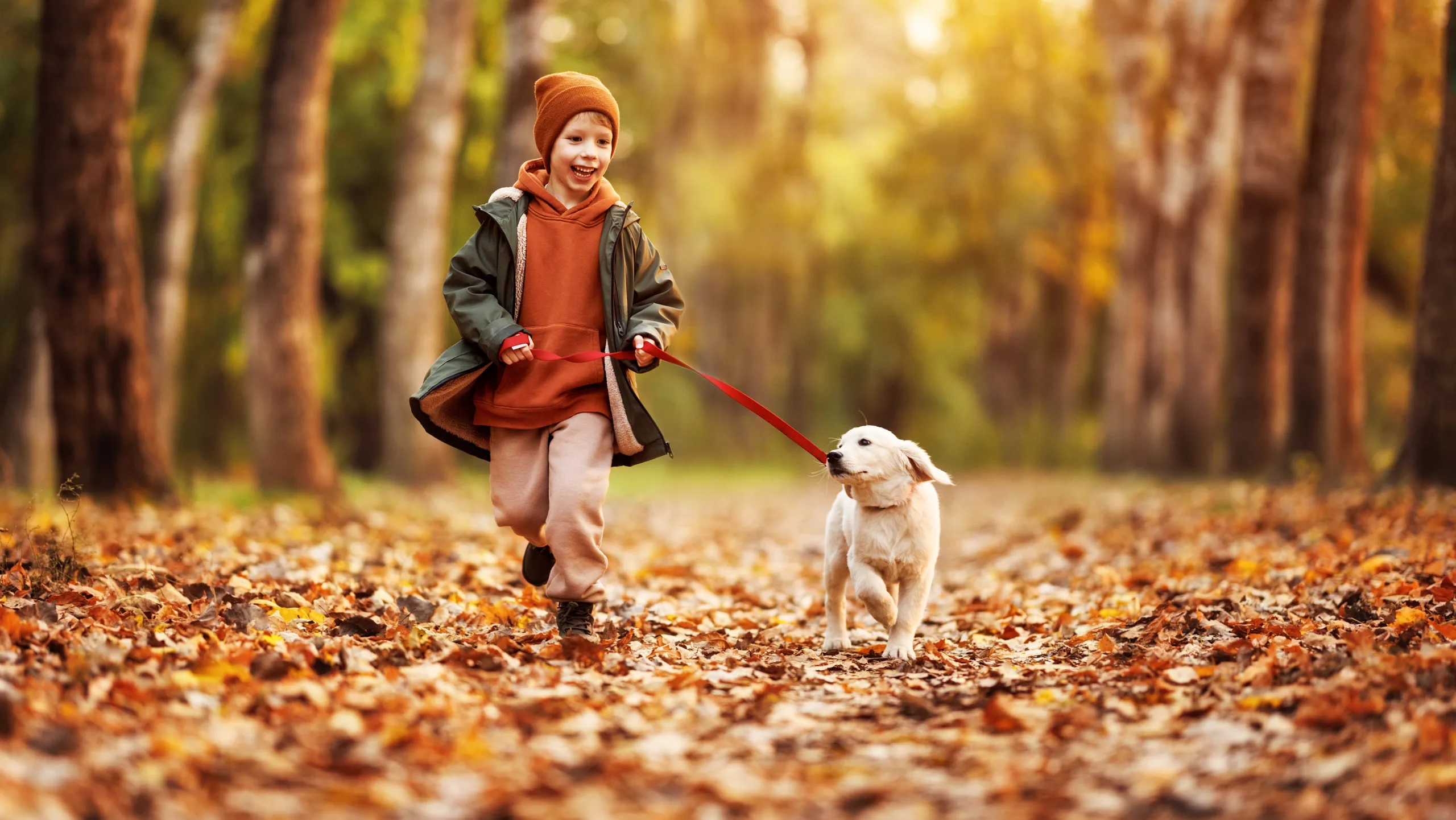
School-age children can absolutely participate in caring for a family dog. They can help measure food, refill water bowls, brush the dog’s coat, prepare enrichment toys and practice simple training exercises. Walking the dog, however, should remain a family activity with an adult present.
The three most important rules:
- Never bother a dog while eating, chewing a bone or enjoying a special treat.
- Leave dogs alone when they are sleeping or resting.
- If a dog walks away, let him go.
Dogs deserve a safe place where they can relax without being followed. Baby gates, exercise pens, crates or another quiet room allow the dog to take a break when family life becomes overwhelming.
What about puppies and toddlers growing up together?
Toddlers are not developmentally capable of interacting appropriately with a puppy, so every interaction should be actively supervised. Reward calm behavior around children and encourage gentle, structured activities rather than chasing or wrestling.
My 7-year-old wants a dog. Is this a good idea?
School-age children can help feed, brush and train a family dog, but adults remain responsible for veterinary care, exercise, training and supervision. A dog should never be purchased with the expectation that a child will become the primary caregiver.
Respect goes both ways! Most bites occur because a dog is uncomfortable, frightened or overwhelmed. Teach children never to tease, corner, chase, hug tightly or climb on a dog. Learn to recognize canine stress signals, such as turning away, lip licking, yawning, a tucked tail, pinned ears or attempts to leave.
What about visiting children?
Even dogs that adore their own family may struggle with unfamiliar children. During busy gatherings, management strategies such as baby gates, quiet rooms, food puzzles or even boarding can reduce stress for everyone.
Kids and dogs really do belong together! With thoughtful supervision, positive training and realistic expectations, children and dogs can develop lifelong friendships. Whether hiking, playing scent games, learning tricks, competing in dog sports or simply relaxing together, these relationships are built one positive interaction at a time.
Mary Green is a Certified Professional Dog Trainer Knowledge Assessed (CPDT-KA), Certified Dog Behavior Counselor (CDBC), and Certified Nose Work Instructor (CNWI) at K9 Manners & More in Broken Arrow, Oklahoma.
TRAINING TIP
Reward your dog for choosing calm behavior around children. Give your dog a safe retreat where kids are never allowed to follow. Prevention and supervision are the best bite-prevention tools.
Five Rules Every Child Should Know Around Dogs
- Let sleeping dogs sleep.
- Never bother a dog while eating, chewing or resting.
- If a dog walks away, don’t follow.
- Pet gently — no hugging, climbing, chasing or teasing.
- Always ask an adult before interacting with any dog, even one you know.